News
How Fast Can a DC EV Charger Actually Fill Up Your Electric Car Battery?
When drivers shift from gasoline to electric, the first question is often about time. A DC EV charger from a seasoned provider like Vanton can turn hours into coffee-break minutes, but the real answer depends on more than just the plug. Let's break down what speed actually means for your daily drive or fleet operation.
The Short Answer: It Depends on Where You Are
Most people think a fast charger works the same everywhere. It doesn't. A DC charger bypasses the car's built-in converter and feeds power directly to the battery. That is why the same unit can fill one car in 20 minutes and another in over an hour.
| Vehicle Type | Battery Size (kWh) | Time with 50kW Charger | Time with 150kW Charger |
| Compact EV | 40 kWh | 35–45 min | 15–20 min |
| Family SUV | 75 kWh | 60–75 min | 25–35 min |
| Electric Van | 100 kWh | 90–110 min | 40–50 min |
What Actually Limits Charging Speed?
Three Main Factors You Control
You cannot just pick any charger and expect maximum speed. Three things matter most:
- The charger's power output – measured in kilowatts (kW). Higher kW means faster potential speed.
- Your car's maximum acceptance rate – every EV has a limit. Plug a 150kW charger into a car that only takes 50kW, and you get 50kW speed.
- The battery's current state – cold weather, very low charge, or near-full battery all slow things down.
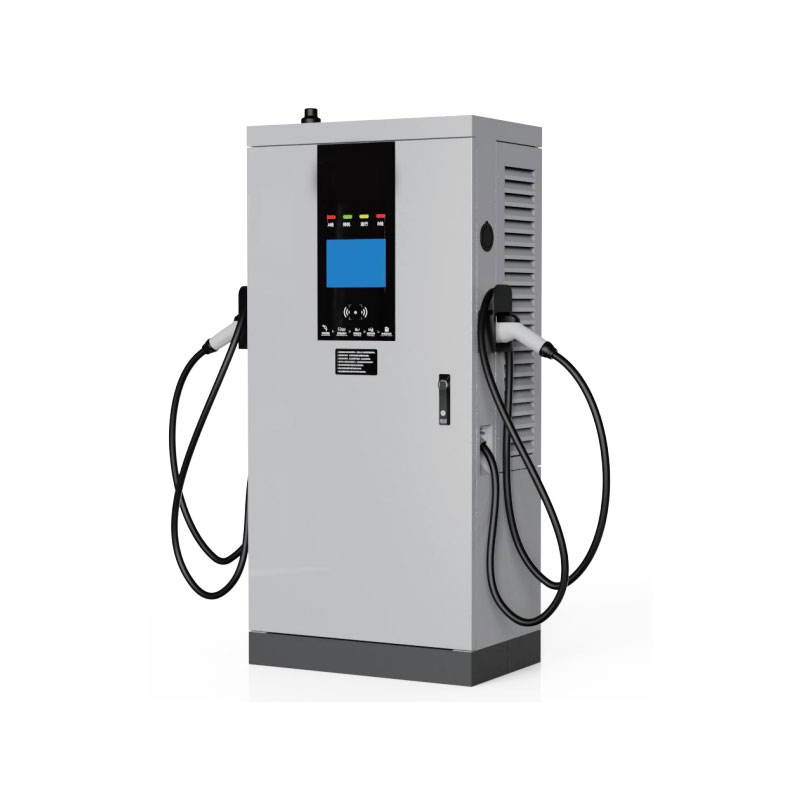
A Practical Example
Imagine you drive a typical long-range EV with a 75kWh battery. You stop at a motorway station with a 120kW charger. From 15% to 65% battery, you might wait only 22 minutes. That is enough time to use the restroom, buy a coffee, and stretch your legs. By the time you return, the car is ready for another two hours of driving.
Why "Full" Is Not the Goal
Experienced electric drivers rarely wait for 100%. The last 20% takes as long as the first 60%. Why? Batteries manage heat and voltage carefully at high charge levels. Most people charge to 80% on the road and top up slowly at home or work overnight.
This is where smart DC EV charger design helps. Good units communicate with the car to adjust power in real time. They do not push too hard when the battery gets warm or nearly full. That keeps your battery healthy for years instead of wearing it out quickly.
Real-World Speeds You Can Expect
Around Town
For local delivery vans or company cars, a 25kW or 30kW DC unit works perfectly. It adds about 80–100 km of range per hour of charging. A driver returning from a morning route can plug in during lunch and have enough power for the afternoon without rushing.
Highway Travel
At 120kW to 180kW stations, most modern EVs add roughly 300–400 km of range in 25 minutes. That means three hours of driving, a short break, then another three hours. For long trips, the charging stop becomes part of the natural rhythm rather than an annoyance.
Future Speeds
Newer 350kW chargers exist, but few cars can take full advantage yet. Over the next two years, more vehicles will accept 200–250kW speeds. At that level, 15 minutes adds about 300 km of range. That is getting very close to a petrol stop.
What to Look For in a Fast Charger
If you manage a fleet, a retail location, or a workplace, choosing the right equipment matters. Here is what experienced operators check first:
- Cooling system – good thermal management keeps speeds consistent even in summer heat
- Cable length and weight – thick DC cables can be heavy; well-designed cables and holders reduce strain
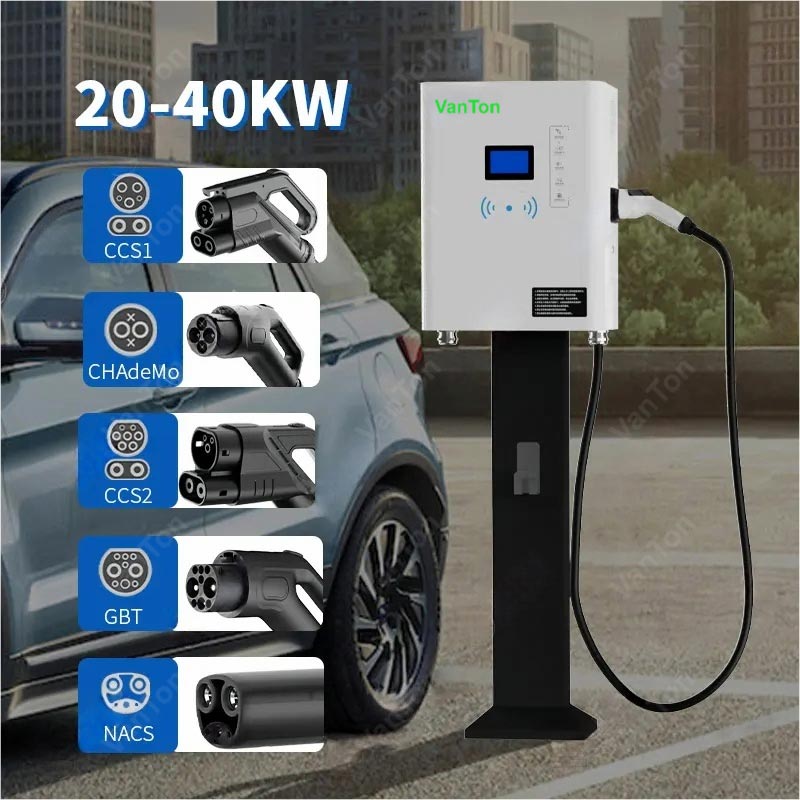
- Socket compatibility – CCS is common, but CHAdeMO and other standards still appear on older vehicles
- Weather sealing – outdoor units need IP54 or higher to handle rain and dust
Safety and Reliability Are Not Optional
Fast charging involves high currents. Certified components prevent overheating, short circuits, and cable damage. Units with proper international marks (such as CE, TUV, UL) have passed strict testing. That matters not only for the equipment but also for the vehicle and the person handling the plug.
A well-built DC EV charger also includes basic protections like ground fault detection, over-voltage shutdown, and temperature monitoring inside the plug handle. These features seem small until a problem occurs. Then they become the only thing that matters.
Does Speed Reduce Battery Life?
This is a common worry. The research is clear: occasional fast charging causes very little extra wear. Most battery degradation comes from two things: sitting at 100% charge for long periods and deep discharges below 10%. Using a DC charger two or three times per week does not harm modern packs noticeably.
What shortens life is heat. Quality chargers manage heat by talking to the car's battery management system. If the pack gets warm, the charger lowers power automatically. That small delay protects your investment without you noticing.
Cost Considerations for Locations
Electricity cost varies by time of day. Some operators pair DC fast chargers with on-site solar or battery storage to lower expenses. Others use simple time-of-use settings to charge lower rates overnight and faster rates during peak demand.
For a small business, a 30kW DC unit might cost less than you think to operate. Each session uses roughly the same energy as running a commercial oven for an hour. The difference is that the charger brings in potential customers or serves your own fleet.
Practical Tips for First-Time Users
If you have never used a fast charger before, try these steps:
1. Arrive with 10–20% battery for the fastest session
2. Plug in and start through the unit's screen or a simple app
3. Walk away while it charges – most sessions take 20–40 minutes
4. Unplug when the car shows 70–80% unless you really need more
5. Let the car cool naturally after a fast charge before plugging into a slow home unit
Nothing about fast charging is difficult. It just works differently from filling a tank. Once you do it two or three times, it becomes routine.
The Bottom Line for Operators
Speed is useful, but consistency matters more. A DC EV charger that delivers its rated power reliably, works in all weather, and includes proper safety features is worth more than a slightly faster unit with poor support.
Ningbo Vanton EV Charger Co., Ltd. has spent over a decade refining these products. From compact 30kW units for urban fleets to higher-power stations for highway corridors, their range covers real needs with practical certifications and thoughtful design. Whether you operate a delivery service, run a shopping center, or manage a residential complex, the right charging speed exists. The key is matching the equipment to the actual driving patterns of the people who will use it every day.
Related News
- When Should You Use a Portable EV Charger Instead of a Wall Charger?
- Why Is the 7kW Portable DC EV Charging Station Becoming a Must-Have for EV Owners on the Go?
- What Specifications Make VanTon 180KW DC EV Fast Charger Ideal For Commercial Charging Stations?
- Why Is a 60kWh Mobile Charging Station Transforming EV Charging Flexibility?
- Why Is a Tesla Portable EV Charger Essential for Modern Electric Vehicle Owners?
- How Does an AC Wall-Mounted Charger Transform Everyday Electric Vehicle Charging Experience?
Leave me a message