Abstract
If you’re shopping for a DC EV Charger, you’re probably juggling the same set of headaches: uncertain vehicle compatibility, expensive site upgrades, uptime anxiety, confusing software requirements, and the fear of buying something that’s outdated in 18 months. This guide breaks the decision down into real-world steps: how to match power to use cases, what “interoperability” really means, which safety protections matter, and how to evaluate total cost of ownership (not just sticker price). You’ll also see an example of how a modern floor-mounted fast charger can be configured for different connector ecosystems and back-end platforms.
Table of Contents
- Outline
- Common pain points and what to prioritize
- DC EV Charger basics in plain language
- Choosing power and voltage range
- Site and electrical planning
- Interoperability and software
- Driver experience and access control
- Reliability, safety, and protection
- Total cost of ownership checklist
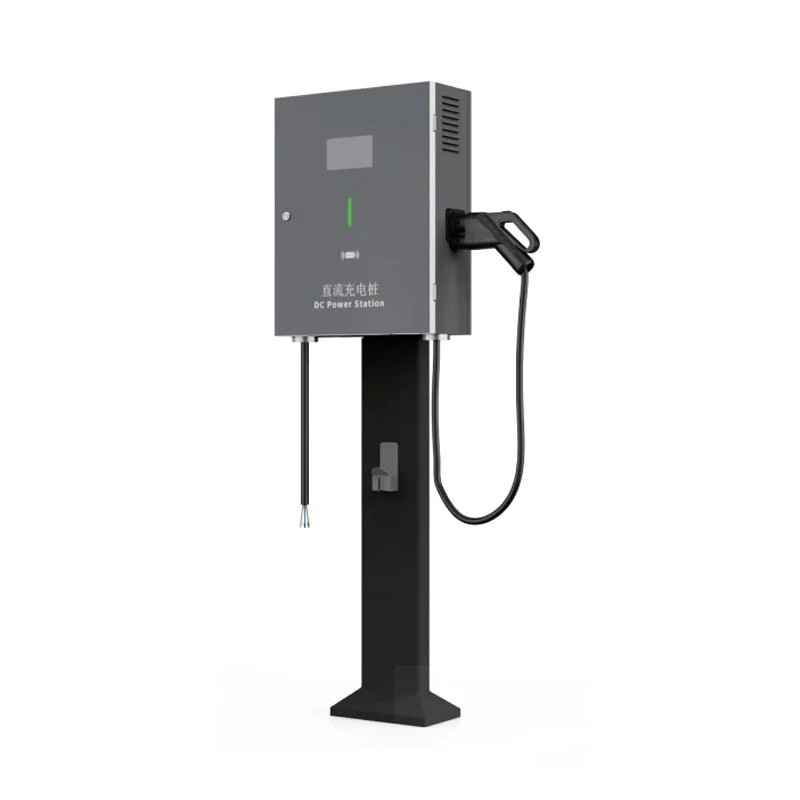
- Example: a floor-mounted 180kW-class fast charger
- FAQ
Outline
- Translate business goals into charging requirements
- Pick the right power class and voltage window
- Validate site capacity, protection, and installation space
- Confirm connector strategy (regional + future ecosystem)
- Choose software: OCPP, networking, authentication, reporting
- Plan uptime: service model, spare parts, monitoring
- Compare total cost: energy loss, maintenance, downtime risk
Note: This is educational content, not electrical or legal advice. Always use qualified installers and follow local codes and utility requirements.
Common pain points and what to prioritize
Buying a DC EV Charger is rarely “just buy the biggest one.” Commercial buyers usually hit four predictable walls:
- Compatibility risk: Will the charger talk to my vehicles today—and the ones I’ll buy next year?
- Site constraints: Do I need a transformer upgrade, load management, or utility coordination?
- Uptime and support: Fast chargers earn trust only when they work consistently, in real weather, under real abuse.
- Software complexity: Access control, billing, remote diagnostics, and reporting can make or break operations.
A solid evaluation process focuses on outcomes: how fast you need to turn vehicles around, how predictable the charging schedule is, and how much downtime your business can tolerate.
DC EV Charger basics in plain language
AC charging uses the vehicle’s onboard charger to convert AC to DC. A DC EV Charger does that conversion inside the station and delivers DC directly to the vehicle battery. That’s why DC fast charging can dramatically reduce charging time—especially for vehicles that can accept higher power.
What “fast” really depends on
- The car’s acceptance curve: Most EVs don’t hold peak kW from 0% to 100%.
- Battery temperature: Cold batteries charge slower; preconditioning helps.
- Station limits: Output kW, voltage range, and cable/connector thermal design matter.
- Shared power behavior: Dual outputs may split power depending on configuration and demand.
Practical takeaway: you’re buying throughput and predictability, not just a kW number on a brochure.
Choosing power and voltage range
Power selection is where buyers most often overspend or underperform. A smarter approach is to map each use case to a “service level”: how many vehicles per day, typical dwell time, and required energy per session.
A simple sizing method
- Estimate average energy needed per vehicle per day (kWh).
- Estimate realistic charging window (hours) based on operations.
- Divide to get required average power (kW) and add headroom for peaks and losses.
| Use case | Typical priority | Recommended focus when choosing a DC EV Charger |
|---|---|---|
| Logistics depot (vans/trucks) | Guaranteed readiness by dispatch time | Uptime, access control, monitoring, service response time |
| Retail / public site | Customer experience + revenue per bay | High availability, payments, remote diagnostics, rugged enclosure |
| Municipal / workplace | Fair usage and reporting | User management, RFID/app, reporting exports, load management |
Voltage range matters because EV packs differ. A broad DC output window helps cover more vehicles and future models. When evaluating a DC EV Charger, make sure the stated output voltage range fits your target fleet and regional market.
Site and electrical planning
The most painful “surprise cost” is almost always the site. Before you lock a purchase order, treat these as non-negotiable checks:
Pre-installation checklist
- Available service capacity: Confirm what’s реально available after existing loads.
- Utility coordination: Lead times can dwarf hardware lead times.
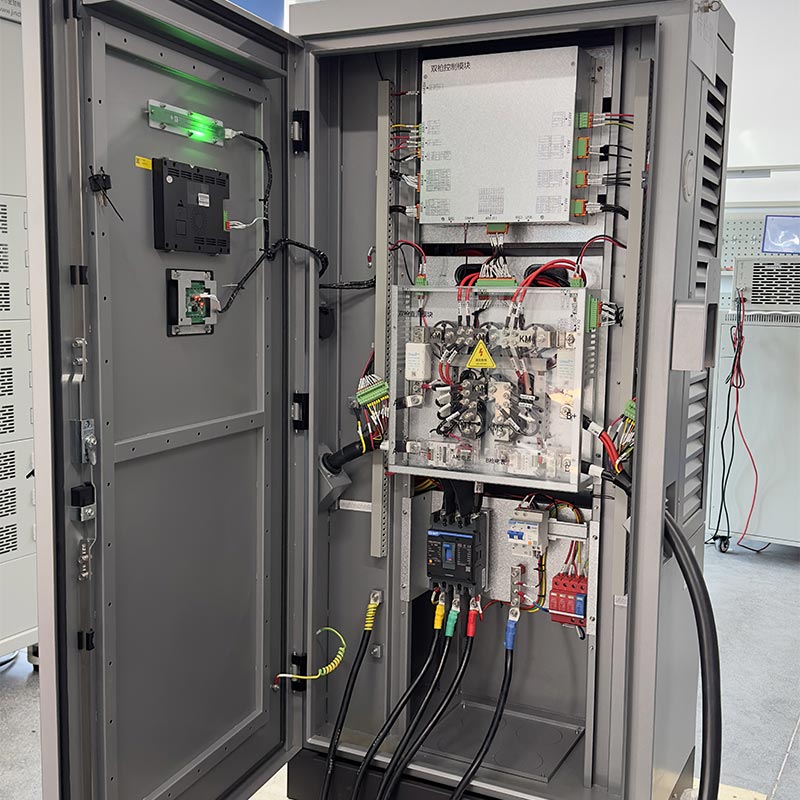
- Protection and grounding strategy: Proper earthing, surge protection, leakage protection, and coordination with upstream breakers.
- Installation footprint and service clearance: Leave room for doors/panels, airflow, and maintenance access.
- Environmental conditions: Temperature, humidity, dust, coastal corrosion, and vandalism risk.
If you’re operating multiple sites, standardize on a repeatable “site readiness” checklist. It reduces change orders and accelerates commissioning.
Interoperability and software
Hardware is only half the system. A commercial DC EV Charger should behave like managed infrastructure: connected, monitorable, and configurable.
What to confirm with any supplier
- OCPP support: Version support, real-world interoperability, and roadmap.
- Connectivity options: Ethernet, cellular, or other methods depending on site reliability.
- Remote monitoring: Fault codes, session data, alerts, and basic controls (enable/disable, reset).
- Security basics: Role-based access, firmware update process, and data handling expectations.
If you already use a charging management platform, make OCPP validation part of your acceptance testing. If you don’t, pick a charger that won’t lock you into a single vendor stack.
Driver experience and access control
“It works in the lab” is not the same as “drivers can use it at 2 a.m. in the rain.” A well-designed DC EV Charger makes the session flow obvious and reduces support tickets.
Features that reduce daily friction
- Clear HMI: A readable screen, straightforward prompts, and visible session status.
- Multiple access methods: RFID for depots, app for managed users, and optional guest flows for public sites.
- Cable usability: Practical length, durable strain relief, and ergonomic holsters.
- Session transparency: Power delivery status, energy delivered, and session end confirmation.
For fleets, access control is about preventing unauthorized use and ensuring fair scheduling. For public charging, it’s about conversion: fewer failed starts and clearer instructions mean fewer abandoned sessions.
Reliability, safety, and protection
Commercial charging lives or dies on uptime. Ask suppliers to describe how their DC EV Charger handles fault conditions and how fast they can support you when something goes wrong.
Protection functions that matter in the real world
- Leakage protection and insulation monitoring
- Input/output overvoltage and undervoltage protections
- Short circuit and overcurrent protections
- Over-temperature protection and thermal management
- Lightning/surge protection and proper grounding provisions
Total cost of ownership checklist
The “best price” charger can become the most expensive after a year of downtime, site rework, and missed charging sessions. Compare solutions using a structured TCO lens.
| TCO category | Hidden cost risk | What to ask the supplier |
|---|---|---|
| Site upgrades | Transformer/capacity upgrades and permitting delays | What are input requirements and recommended site protections? |
| Operations | Manual resets, unclear fault handling, poor monitoring | What remote diagnostics and alerts are available? |
| Maintenance | Hard-to-source parts, slow support, unclear service workflow | What spare parts strategy and service coverage is offered? |
| Interoperability | Software lock-in or integration rework | Which OCPP versions are supported and proven with third-party platforms? |
| Uptime impact | Lost revenue or fleet disruptions | What are typical response times and warranty terms? |
If you’re comparing multiple charger models, keep the matrix consistent. It’s the fastest way to explain your decision internally and keep procurement aligned with operations.
Example: a floor-mounted 180kW-class fast charger
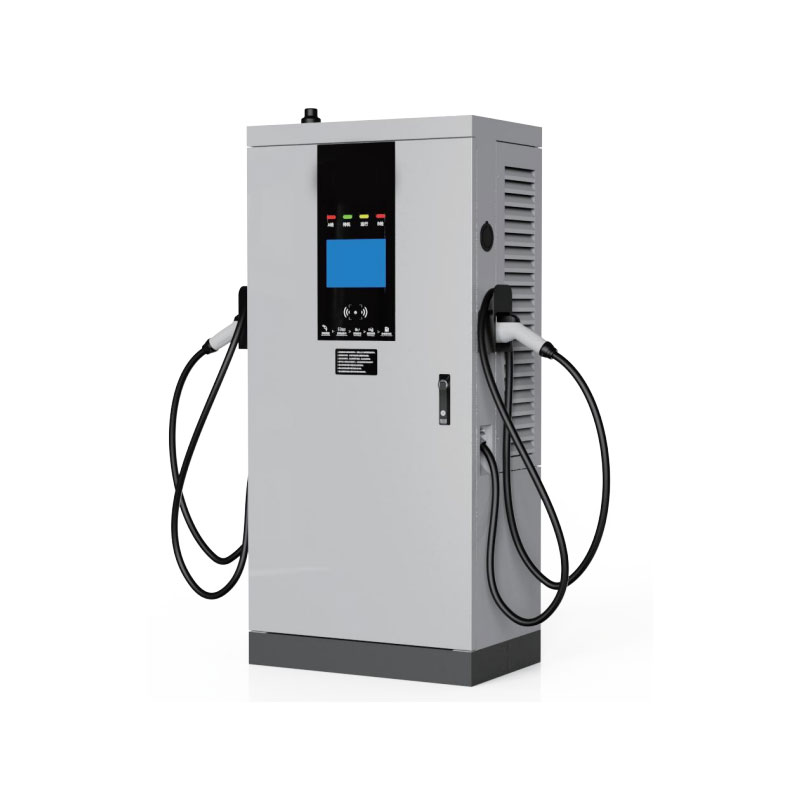
Here’s how a modern floor-mounted fast charger can be positioned for commercial deployments, using a real product class as a reference point. Ningbo Vanton EV Charger Co., Ltd. offers a floor-mounted DC fast charger platform that can be configured across multiple power levels (for example, 120kW, 160kW, and 180kW variants) and is designed for practical commercial operation.
Example feature snapshot
| Item | Typical configuration for this class | Why it addresses buyer pain points |
|---|---|---|
| Power options | 120kW / 160kW / 180kW | Lets you match throughput to budget and site capacity |
| Output window | Broad DC voltage range (example: 200–1000Vdc) | Improves compatibility across different EV architectures |
| Connectivity | Cellular / Bluetooth / Ethernet options | Supports diverse sites: depot yards, parking structures, roadside |
| Access control | App and RFID card modes | Works for fleets (RFID) and managed users (app) |
| Back-end protocols | OCPP support (example: 1.6 and 2.0) | Reduces integration lock-in risk |
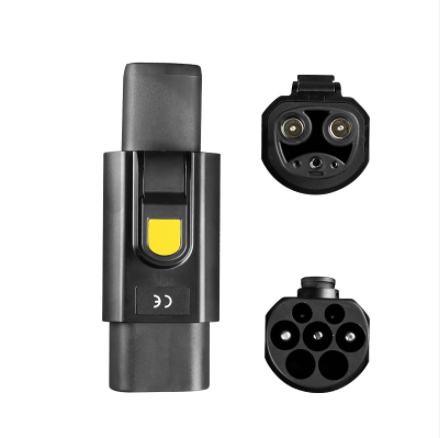
| Connectors | Configurable connector ecosystems (regional + future trends) | Helps align with local standards and evolving vehicle markets |
| Human interface | Touchscreen HMI | Reduces user errors and support calls |
| Ingress protection | Commercial enclosure rating (example: IP54) | Better resilience for outdoor installation |
Buying tip: treat “connector support” as a strategy, not a checkbox. Choose what matches your region now, and confirm your vendor’s path for future compatibility.
Practical procurement steps for this charger type
- Define success metrics: daily vehicles supported, target turnaround time, uptime requirements.
- Confirm site readiness: input power availability, protections, grounding plan, and physical clearances.
- Validate integration: OCPP connectivity to your platform (or a platform you plan to adopt).
- Run an acceptance test: session initiation, power stability, error handling, and reporting exports.
- Lock the service plan: warranty scope, remote support workflow, spare parts, and response SLAs.
FAQ
How many kW should I choose for a DC EV Charger?
Start with operational needs: required energy per vehicle, available charging window, and how many vehicles you must support. Bigger isn’t always better—especially if site upgrades or demand charges dominate the project cost.
Will a higher-power DC EV Charger always charge faster?
Not always. Vehicle acceptance curves, battery temperature, and state of charge often limit real-world speed. High power can still improve throughput, but only if your vehicles can use it and your site can reliably deliver it.
What does OCPP change for buyers?
OCPP can reduce software lock-in by enabling the charger to communicate with different back-end platforms. It’s still important to test interoperability in practice, not just rely on a spec sheet claim.
Which access method is better: app or RFID?
Fleets typically prefer RFID for speed and control; public sites often need app or payment flows. Many commercial deployments benefit from offering both to reduce friction.
What site details should I prepare before requesting a quote?
Provide local input voltage and service capacity, intended power level, connector preference, networking availability, installation environment, and any platform integration requirements. This helps avoid redesign and price changes later.
What makes a DC EV Charger “reliable” in daily operations?
Reliability is a mix of protection design, thermal management, enclosure durability, clear diagnostics, and responsive after-sales support. Ask for commissioning guidance and a service workflow that’s realistic for your geography and staffing.
Final takeaway
A commercial DC EV Charger is infrastructure, not a gadget. If you select based on throughput, interoperability, and an honest service plan, you reduce downtime risk and protect your ROI. If you select on price alone, you usually pay later—in site rework, stalled fleets, and frustrated users.
If you want help matching power level, connector configuration, and software requirements to your specific project scenario, contact us for a practical recommendation and a configuration checklist you can hand directly to your installer and operations team.