News
How did a floor charger change my EV site economics overnight?
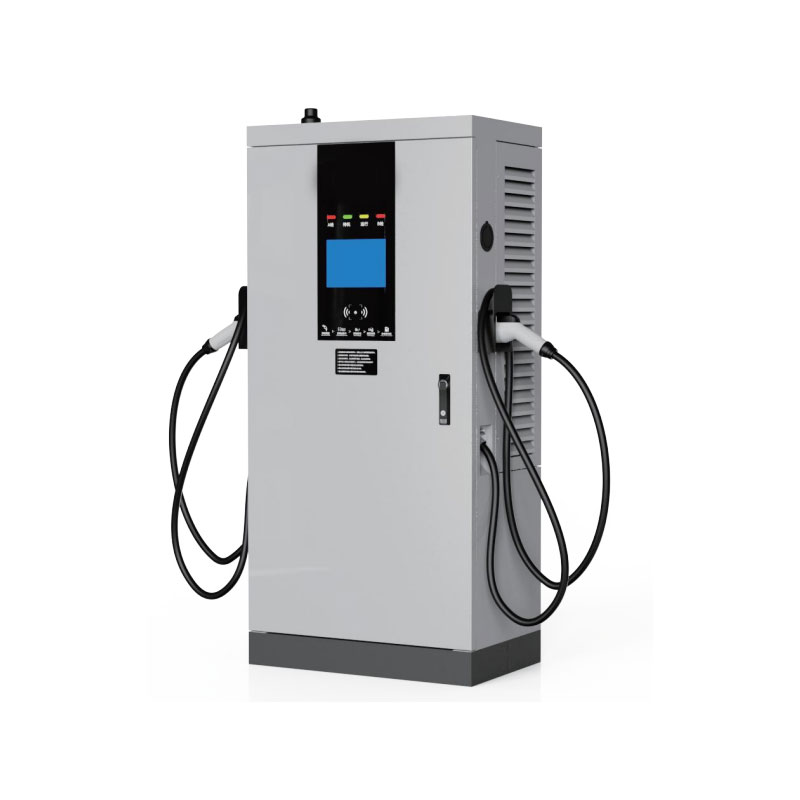
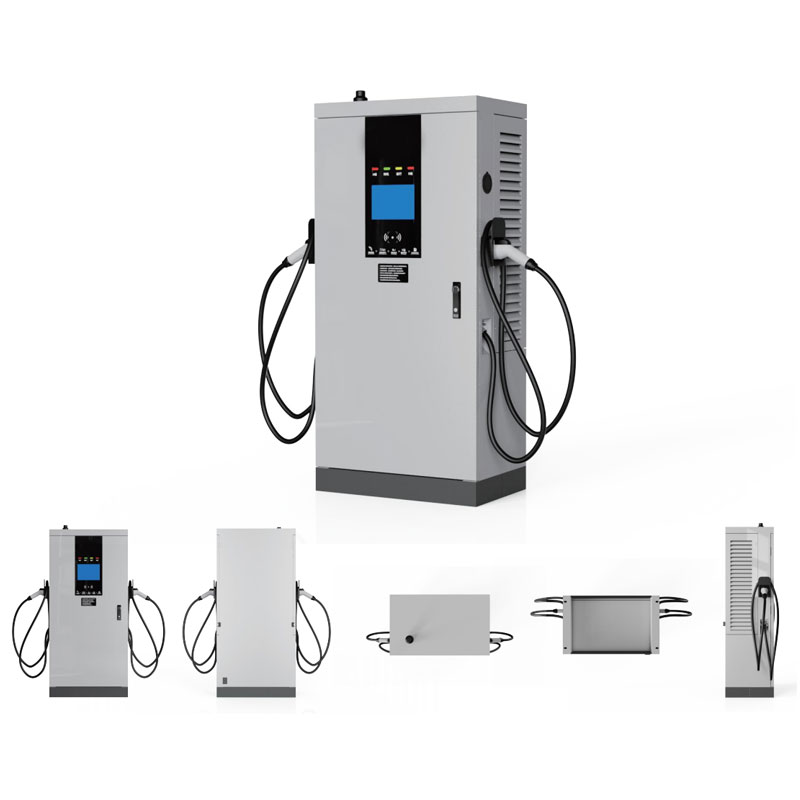
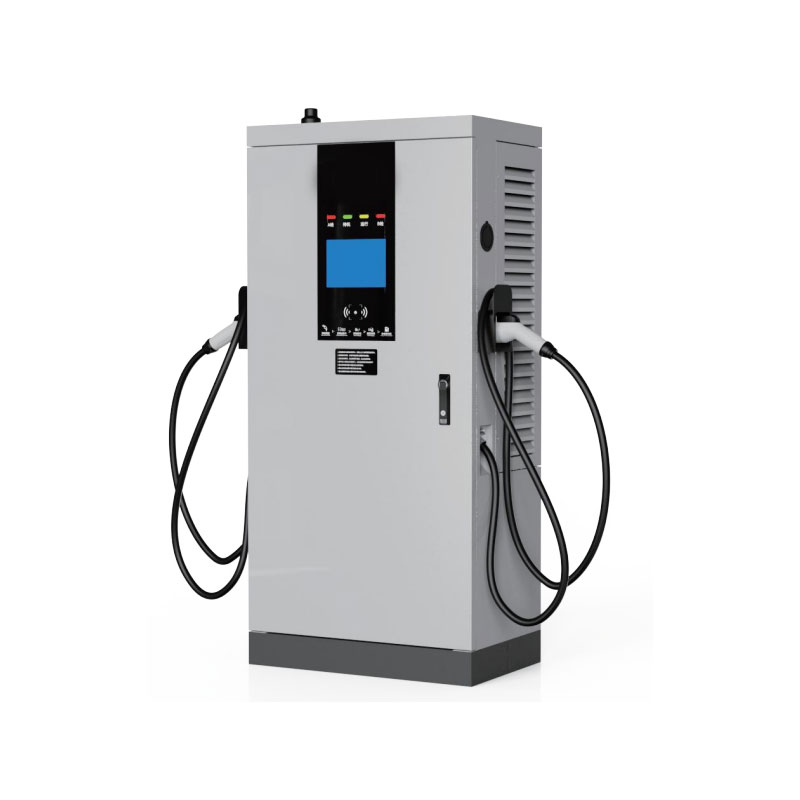
When I planned my first public charging project, I kept circling the same question—how do I deliver fast, reliable power without turning the site into a construction nightmare? That’s when I seriously evaluated VanTon and a DC EV Fast Charger Floor-mounted Charging Station. I’ll share what I learned the hard way—layout, grid constraints, payment flows, uptime, and the small decisions that made the biggest difference. Along the way, you’ll see why a well-specified DC EV Fast Charger Floor-mounted Charging Station is more than a metal cabinet; it’s a unit economics engine for today’s EV business.
What problems did I run into before choosing a floor charger?
- Limited parking bay space created awkward cable reach and slow turnover.
- Utility upgrade timelines were unpredictable, stretching ROI models.
- Fragmented payment experiences frustrated drivers and spiked support tickets.
- Seasonal heat and winter chill punished hardware, cutting power output.
- Maintenance windows dragged on because parts weren’t modular.
These pain points pushed me toward a DC EV Fast Charger Floor-mounted Charging Station that was compact, service-friendly, and smart on the software side. The floor-mount format meant simpler civil work, faster installs, and cleaner cable management in tight lots.
Why did footprint and cable ergonomics matter more than I expected?
Driver behavior taught me that convenience beats marketing copy. With a DC EV Fast Charger Floor-mounted Charging Station, I could place the pedestal right where cars naturally park, keep bollards aligned, and shorten cable travel. That reduces trip hazards, speeds plug-in, and lowers the chance of connector damage. I also learned that integrated cable retraction keeps bays tidy and protects the sheath—small detail, big savings.
How did I size power without overspending on the grid?
Instead of chasing a headline kW, I focused on dwell time by vehicle segment. The right move was a scalable cabinet with power modules I could add later. Paired with dynamic load management, the DC EV Fast Charger Floor-mounted Charging Station balanced two stalls during peaks and prioritized a single stall when needed for a “wow” session speed. That flexibility made utility conversations easier and shaved months off the go-live date.
What did I change in payment and user flow to lift revenue?
- Tap-to-pay first—I put contactless at eye level; no app download required.
- QR fallback for account pricing—loyalty and fleet IDs apply automatically.
- On-screen receipts and email options to cut support volume.
Once I enabled OCPP connectivity and clear tariffs, charge session completion improved. The DC EV Fast Charger Floor-mounted Charging Station I picked supported both ad-hoc and account charging, so tourists, commuters, and fleets all had a frictionless path.
How did I protect uptime in harsh weather?
I specified a sealed power stack, wide-range temperature operation, and intelligent derating. With that, the DC EV Fast Charger Floor-mounted Charging Station sustained sessions through heat waves and blizzards without surprise shutdowns. Remote firmware updates and hot-swappable modules cut truck rolls and got me back online fast when something did go wrong.
Which specs actually matter when comparing fast chargers?
- Power architecture: Modular kW blocks for right-sizing and redundancy.
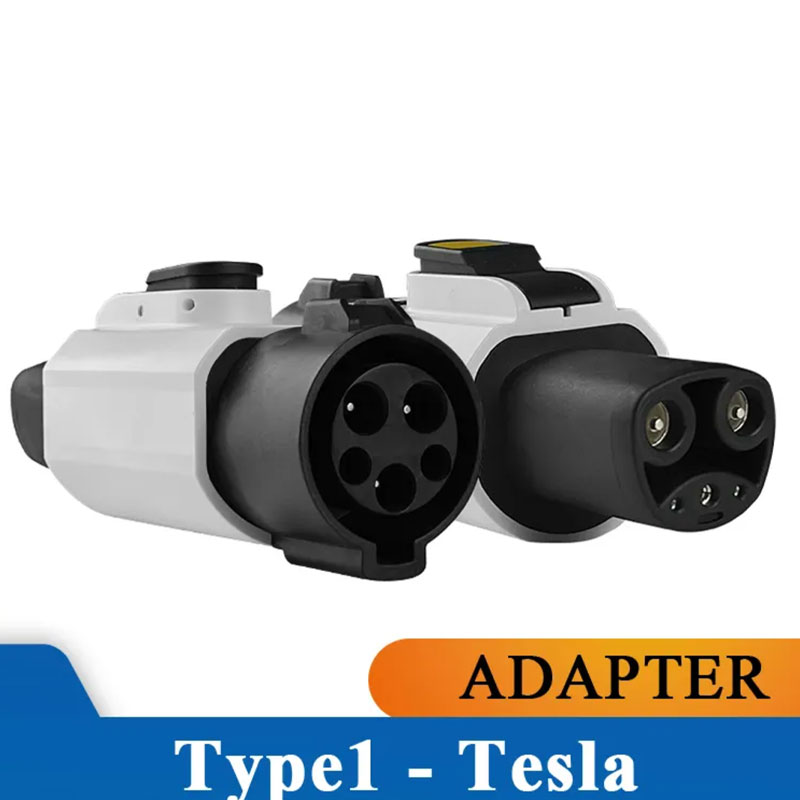
- Connector mix: CCS and optional NACS support to widen addressable traffic.
- Cable strategy: Liquid-cooled options for high current, smooth retraction.
- OCPP and APIs: Real-time pricing, smart queuing, fleet integrations.
- Serviceability: Front access, clear diagnostics, common spares.
I matched these priorities with VanTon because their floor-mount chassis and service flow lined up with my operating model, and the DC EV Fast Charger Floor-mounted Charging Station family gave me room to scale without re-pouring concrete.
What real-world scenarios guided my configuration choices?
| Site scenario | User behavior | Operational risk | What worked for me |
|---|---|---|---|
| Urban retail lot with tight bays | Short stays, high turnover | Cable strain, blocked aisles | Floor-mount pedestal, center-rear placement, cable retraction |
| Highway stop near food court | 20–35 min dwell, mixed vehicle types | Peak congestion, queue anxiety | Load sharing between two posts, screen queue info, tap-to-pay |
| Fleet yard with night charging | Predictable sessions, batch starts | Demand spikes, breaker trips | Scheduled power profiles, OCPP smart charging, staged starts |
| Cold-climate commuter hub | Pre-conditioning draws, early mornings | Thermal derating, slow first session | Heated connectors, wide temp spec, proactive warm-up |
This matrix saved me from guesswork. It also confirmed that a DC EV Fast Charger Floor-mounted Charging Station gives me the most control over bay layout, traffic flow, and long-term serviceability.
How did I plan for tomorrow’s connectors without ripping up today’s concrete?
I chose a chassis with swappable gun assemblies and clear conduit paths. As adoption shifts, I can add NACS while keeping CCS live. The DC EV Fast Charger Floor-mounted Charging Station I deployed accepts future cable sets and supports firmware tweaks for new handshake logic, so upgrades feel like maintenance, not a rebuild.
Where did total cost of ownership show up in the numbers?
- Fewer civil works: floor-mount anchors beat custom plinths and façades.
- Faster commissioning: pre-tested modules shortened on-site time.
- Higher uptime: remote diagnostics turned panicked calls into planned visits.
- Better driver satisfaction: straight-through payment raised repeat visits.
The result: more completed kWh per day and fewer “out of service” signs. That’s the quiet power of a DC EV Fast Charger Floor-mounted Charging Station that’s built for operators, not just brochures.
What convinced me to standardize on one vendor?
After running mixed hardware for a season, I consolidated on VanTon to simplify spares and training. One portal for analytics, one playbook for service, and a unified look across sites. Consistency makes it easier for drivers to trust your network—and trust turns sessions into habits.
How do I decide if now is the right time to scale?
If you have repeat traffic, a steady utility plan, and clear service coverage, the math likely works today. A modular DC EV Fast Charger Floor-mounted Charging Station lets you start lean and grow into demand instead of betting big upfront. That’s how I went from a pilot bay to a profitable micro-hub without pausing operations.
Ready to talk about your site?
If you’re mapping a new location or fixing an underperforming one, I’m happy to share drawings, lessons, and what I’d do differently. If you want details on the VanTon approach and how a DC EV Fast Charger Floor-mounted Charging Station fits your constraints, contact us and let’s run the numbers together—send your questions, request a spec sheet, or contact us now to start the conversation.
Related News
- When Should You Use a Portable EV Charger Instead of a Wall Charger?
- Why Is the 7kW Portable DC EV Charging Station Becoming a Must-Have for EV Owners on the Go?
- What Specifications Make VanTon 180KW DC EV Fast Charger Ideal For Commercial Charging Stations?
- How Fast Can a DC EV Charger Actually Fill Up Your Electric Car Battery?
- Why Is a 60kWh Mobile Charging Station Transforming EV Charging Flexibility?
- Why Is a Tesla Portable EV Charger Essential for Modern Electric Vehicle Owners?
Leave me a message