◆ ◆ ◆
Article abstract
A DC EV Fast Charger delivers direct current to the vehicle battery, enabling rapid charging compared with most AC chargers. But “fast” is not a single spec—it’s a system outcome driven by site power, vehicle compatibility, charging curves, connector standards, uptime strategy, and how you operate queues. This guide focuses on buyer pain points: reducing downtime, avoiding grid upgrade surprises, preventing derating in heat, meeting compliance expectations, and building a serviceable charging network that doesn’t collapse when one module fails.
◆ ◆ ◆
Table of contents
- Outline and key takeaways
- What pain points does a DC fast charging site solve?
- How does a DC EV Fast Charger work in plain English?
- Which power level should you choose (and when does 180 kW make sense)?
- Site planning checklist: power, parking, cables, and cooling
- Uptime and maintenance: the real cost of “cheap” hardware
- FAQ
- Next step
◆ ◆ ◆
Outline and key takeaways
If you remember only 6 things
- “Fast” depends on the vehicle’s charging curve—oversizing power is useless if your vehicles can’t take it.
- Plan grid capacity and demand charges early; the utility bill can beat the hardware cost.
- Prioritize modular design and serviceability to protect uptime.
- Temperature management matters: hot days can reduce output if cooling is weak.
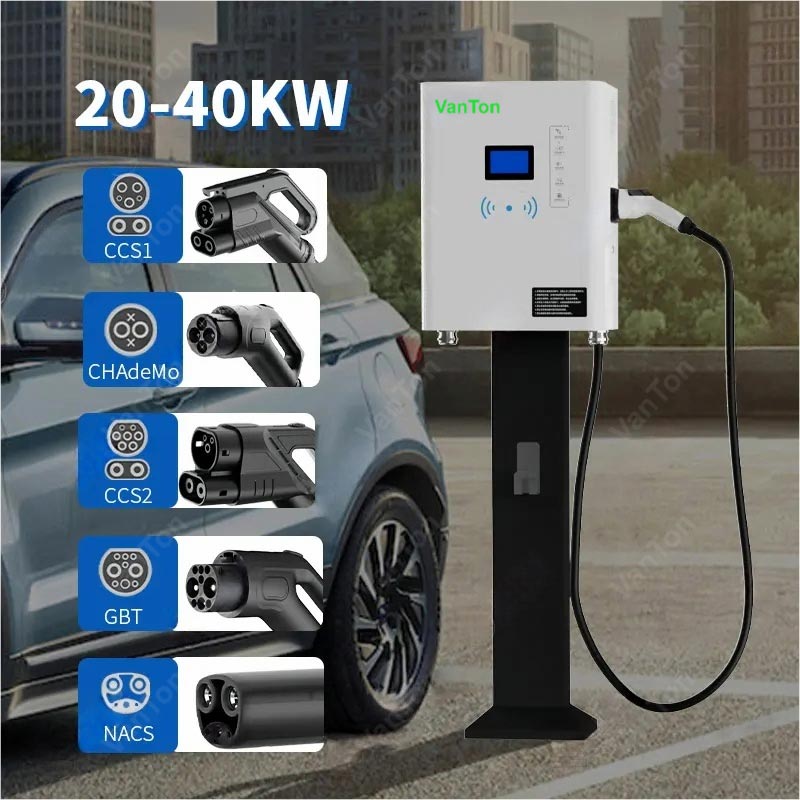
- Connector strategy (CCS/CHAdeMO/GB/T, etc.) should match your vehicle mix, not your wish list.
- Choose a vendor with real commissioning + remote diagnostics support, not just a spec sheet.
What this guide will help you decide
- Whether a DC EV Fast Charger is the right fit vs. AC charging
- How to select power (e.g., 60–120 kW vs. 150–180 kW-class)
- How to avoid common site-planning mistakes (trenching, cable reach, ventilation, ingress protection)
- How to calculate “charging throughput” instead of chasing a single kW number
◆ ◆ ◆
What pain points does a DC fast charging site solve?
Most buyers don’t wake up thinking, “I need a DC EV Fast Charger.” They wake up thinking: “Our vans are stuck,” “drivers are waiting,” “customers are angry,” or “we’re losing revenue while vehicles sit.”
Typical customer pain points
- Downtime costs money: Each hour a vehicle is parked for slow charging is an hour it can’t deliver value.
- Queue chaos: Multiple vehicles competing for limited plugs creates scheduling stress and friction between teams.
- Unpredictable performance: Output can drop due to heat, grid limits, or poor load management.
- Hidden construction costs: Trenching, switchgear, transformers, and civil work often exceed expectations.
- Compliance risk: Safety, grounding, protection devices, and local standards are non-negotiable.
- Maintenance uncertainty: “Who fixes it, how fast, and with what spare parts?” becomes urgent after the first fault.
Reality check: Buying the cheapest charger can be the most expensive outcome if it causes repeated outages,
poor charging throughput, or emergency contractor visits.
◆ ◆ ◆
How does a DC EV Fast Charger work in plain English?
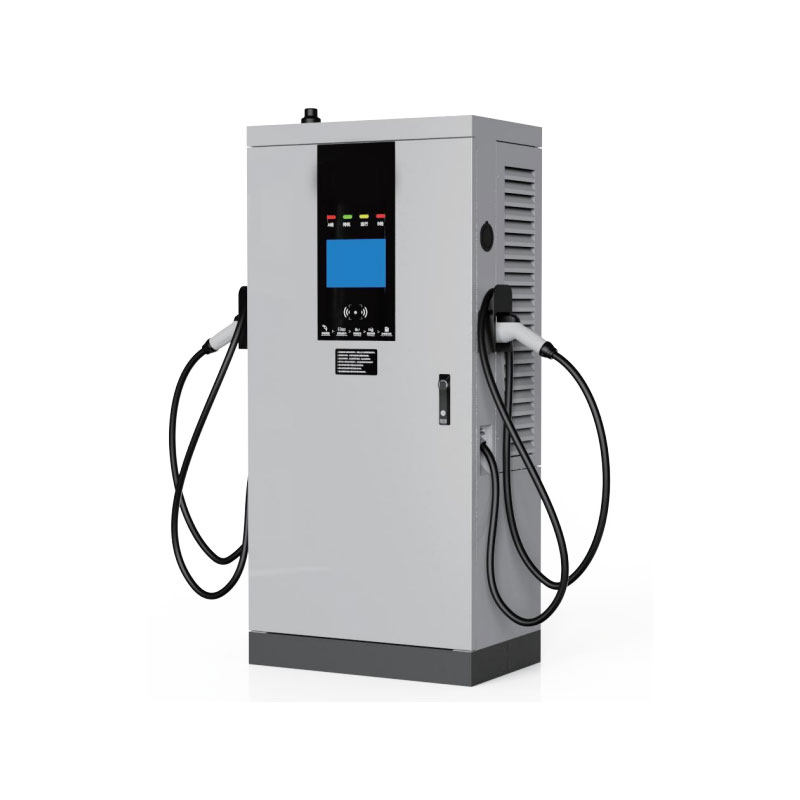
An AC charger primarily delivers alternating current and relies on the vehicle’s onboard charger to convert it to DC. A DC EV Fast Charger does the heavy lifting itself: it converts AC from the grid into controlled DC power and feeds it directly to the battery. That’s why DC fast charging can be dramatically quicker—when the vehicle and site are prepared for it.
The key components you should care about
| Component | What it does | Buyer pain point it affects |
|---|---|---|
| Power conversion modules | Convert AC to DC; often modular to scale output | Uptime, serviceability, future expansion |
| Cooling system | Manages heat from high-power electronics | Derating, reliability in summer, total output stability |
| Control + communication | Negotiates charging with vehicle; supports monitoring | Compatibility, remote diagnostics, user experience |
| Protection & safety | Grounding, surge protection, overcurrent, insulation checks | Compliance, liability, site safety |
| Cables & connectors | Deliver current to vehicles; must handle heat and wear | Queue speed, ergonomics, connector mismatch headaches |
Quick mental model: Charging speed is a three-way handshake between the grid (site power),
the charger (conversion + control), and the vehicle (battery acceptance curve). If any one is the bottleneck,
the kW rating on the brochure won’t save you.
◆ ◆ ◆
Which power level should you choose (and when does 180 kW make sense)?
Power selection is where many projects go sideways. The goal isn’t to buy the biggest number—it’s to maximize throughput: how many vehicles you can reliably serve per day with minimal waiting.
Use this simple decision table
| Scenario | Typical best-fit approach | Why it works |
|---|---|---|
| Workplace / depot charging with long dwell time | Mix of AC + moderate DC fast charging (e.g., 60–120 kW) | Lower demand peaks, enough speed for exceptions and turnaround |
| Public corridor / highway stop | Higher-power DC fast charging (often 150 kW and above) | Short stops demand higher average delivered energy per minute |
| Fleet with tight routes (logistics, taxis, buses depending on use case) | Strategic DC fast charging with load management | Controls queues and keeps vehicles earning money |
| Mixed vehicle types (different battery sizes and standards) | Dual-gun or multi-standard planning + smart power distribution | Serves more vehicles without rebuilding the site |
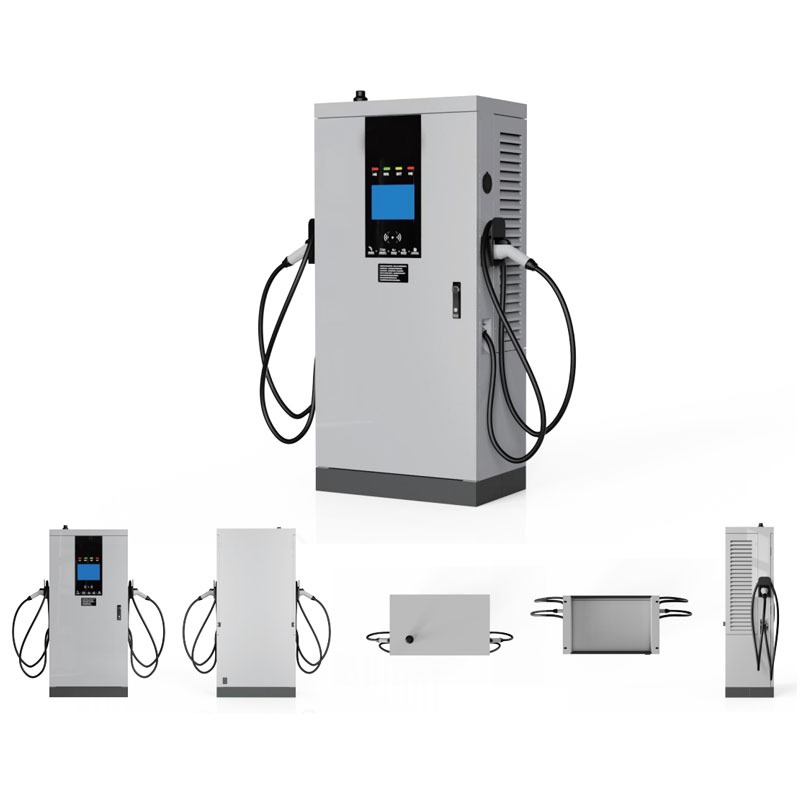
So when does an 180 kW-class floor-mounted system make sense?
- You need faster turnarounds: If your site success depends on short stops, higher power can reduce queue time.
- Your vehicles can accept high power: Some EVs ramp down quickly; others hold higher power longer.
- You can support the site load: Higher power can mean higher peak demand and potentially higher demand charges.
- You care about expandability: Modular architectures can help you start smaller and scale.
Buyer tip: ask for “expected average kW” not “max kW”
Many vehicles don’t sit at the peak rating for long. Ask vendors to estimate average delivered power over a typical charging session for your vehicle list, temperature range, and site constraints. That number is closer to your real throughput.
◆ ◆ ◆
Site planning checklist: power, parking, cables, and cooling
Hardware selection is only half the project. The site can make a great DC EV Fast Charger feel terrible—or a modest one feel excellent. Here’s a practical checklist to reduce surprises.
Pre-install questions that prevent expensive rework
Electrical and grid
- What is the available service capacity today (kVA/kW) without upgrades?
- Are demand charges or time-of-use rates a major cost driver?
- Do you need a transformer, switchgear changes, or a new meter?
- Will you use dynamic load management to cap peak demand?
Civil and user flow
- Can vehicles enter/exit without reversing chaos?
- Is cable reach sufficient for different charge-port locations?
- Is the charger protected from impact (bollards, curb layout)?
- Does the location avoid standing water, snow piles, or blocked ventilation?
A simple “site readiness” scoring table
| Category | What “good” looks like | Score (1–5) |
|---|---|---|
| Available power | Enough capacity for target throughput without emergency upgrades | |
| Thermal environment | Ventilation, shade strategy, and installation spacing reduce heat stress | |
| Traffic flow | Clear entry/exit and no “charger blocking” during busy hours | |
| Service access | Technicians can access panels safely without moving vehicles | |
| Network & monitoring | Stable connectivity for alerts, logs, and remote troubleshooting |
Tip: fill the Score column during a site walk. Anything below 3 deserves a mitigation plan before procurement.
◆ ◆ ◆
Uptime and maintenance: the real cost of “cheap” hardware
If you’re running a commercial site, uptime is the product. A DC EV Fast Charger isn’t a toaster—you’re buying a long-term service platform with electronics, firmware, and field maintenance needs.
What to ask vendors about reliability
- Modularity: If one power module fails, does the charger keep operating at reduced power?
- Spare parts: Are critical components stocked regionally, and what is the lead time?
- Remote diagnostics: Can you see fault codes, session logs, and trends without a site visit?
- Preventive maintenance: What is the recommended schedule (filters, fans, connectors, insulation checks)?
- Firmware governance: How are updates tested, deployed, and rolled back?
Operational trick: Measure “sessions completed per day” and “mean time to repair” (MTTR).
Those two numbers often matter more than peak kW when you’re accountable for outcomes.
Where a manufacturer fit matters
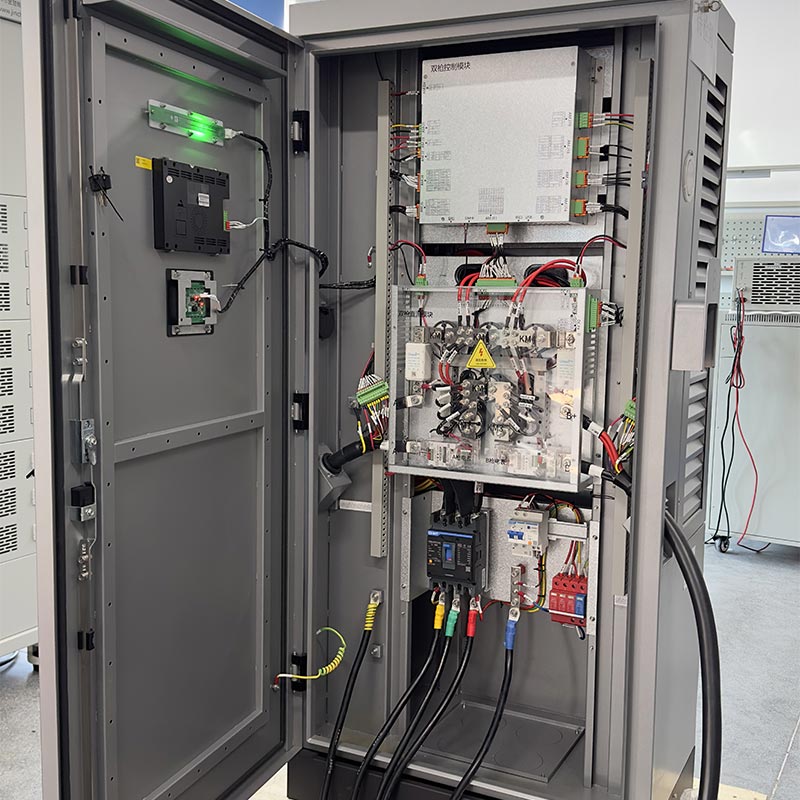
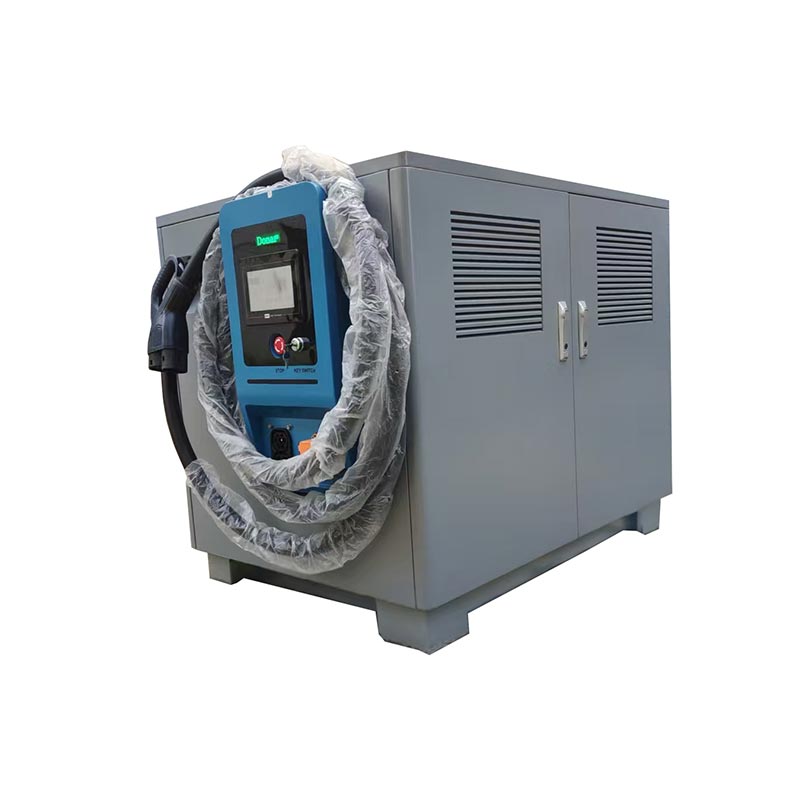
Working with a company that builds and supports commercial systems can reduce friction—especially during commissioning and after-sales troubleshooting. For example, Ningbo Vanton EV Charger Co., Ltd. positions its DC fast charging solutions around commercial-grade deployment needs (floor-mounted configurations, scalable power classes, and practical site integration concepts). The specifics should always be validated for your region, but the direction is the right one: uptime, safety, and serviceability first—then performance.
◆ ◆ ◆
FAQ
How many times should the keyword “DC EV Fast Charger” appear in a natural blog?
Enough to clarify topic relevance, not enough to feel repetitive. In practice, using DC EV Fast Charger in the title, a few headings, and several body mentions is typically sufficient—focus on helpfulness and clarity first.
Is higher kW always better?
Not always. Vehicles may not sustain peak power for long, and your site may face demand-charge penalties. A well-planned moderate-power DC EV Fast Charger setup with smart scheduling can outperform a larger system deployed without grid planning.
What’s the biggest hidden cost in DC fast charging projects?
Civil and electrical work: trenching, foundations, switchgear, transformer upgrades, utility coordination, and sometimes demand charges. Treat site planning as a first-class task, not an afterthought.
How do I prevent long queues at peak times?
Design for throughput: right power level, good traffic flow, clear signage, and operational rules. Consider power sharing, time limits for high-traffic public sites, and remote monitoring to catch issues before users do.
What should I ask a vendor during procurement?
Ask for expected average delivered power for your vehicle list, derating behavior in hot/cold conditions, spare parts availability, remote diagnostic capabilities, and a written plan for service response.
◆ ◆ ◆
Next step
A DC EV Fast Charger purchase is ultimately a decision about operational certainty. When you evaluate chargers through the lens of throughput, uptime, and serviceability, you’re far less likely to end up with a shiny machine that “looks fast” but fails your real-world schedule.
Ready to match a charger to your site and vehicle mix?
If you want a practical recommendation—power level, stall layout, cable reach, and an uptime-oriented configuration—talk with a supplier who can translate your daily operations into a charging plan. Ningbo Vanton EV Charger Co., Ltd. supports commercial DC fast charging projects, including high-power, floor-mounted configurations.
Share your vehicle list, daily mileage, dwell time, and available site power, and we’ll help you outline a deployment path—then contact us to discuss the best-fit solution for your charging goals.
Back to top