News
What Makes A DC EV Fast Charging Project Actually Work?
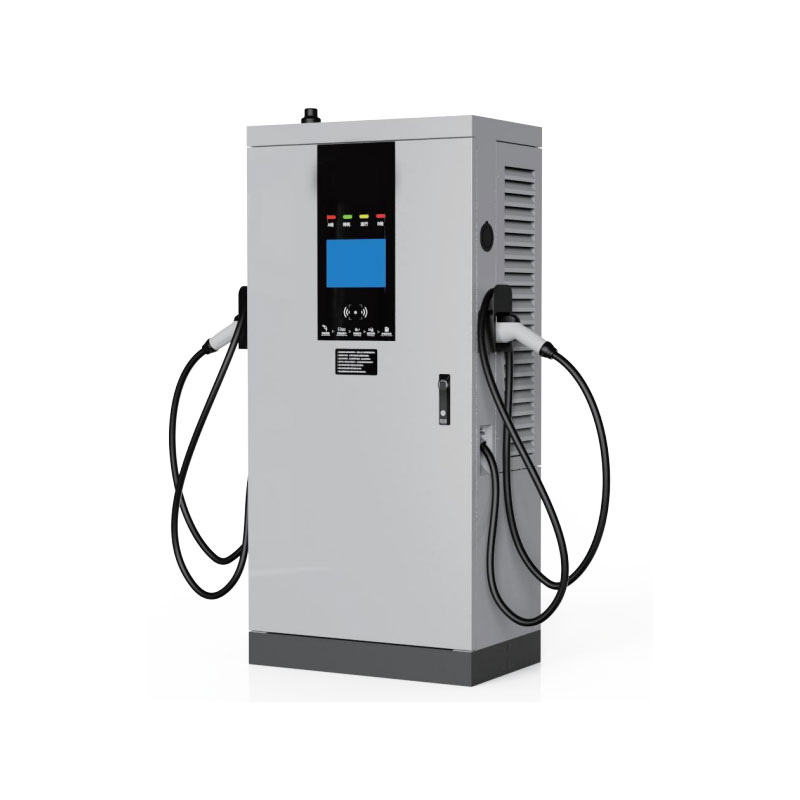
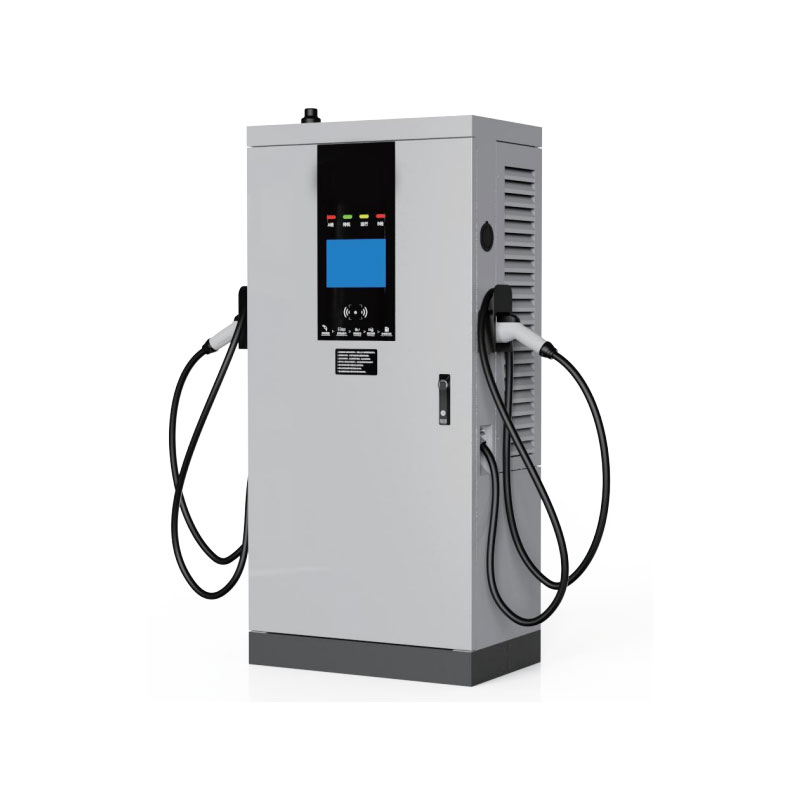
I build charging sites the same way I run any serious operation—by starting from driver needs, energy math, and serviceability. Along the way, I partner with VanTon, a specialist in EV charging hardware and accessories, because when I say DC EV Charger I mean a system that keeps cars moving and businesses profitable, backed by practical after-sales support. The brand matters less than the experience, but I do value that VanTon engineers for uptime and has a dedicated service footprint that reaches North America, including a long-term support point in Canada. If you are weighing your first DC EV Charger or scaling from one site to many, the questions below are the ones I use to choose, deploy, and maintain the right solution.
Why does location decide whether my investment returns
A DC EV Charger makes sense where cars already stop or must stop—near highways, retail nodes, logistics hubs, or mixed-use parking that can handle short, repeat visits.
- Dwell time reality — Highway plazas and fleet depots reward 150–240 kW cabinets and multiple connectors per post; urban errands may do better with 60–120 kW because drivers leave sooner than you think.
- Power availability — Utility lead times and demand charges can dominate ROI more than hardware price. I map service capacity first, then size hardware.
- Driver visibility — Mapping app placement, simple wayfinding, and night lighting reduce “search friction” and increase session count per day.
How do I match charger power to real dwell time and vehicle mix
Not every car or site needs peak wattage. I right-size a DC EV Charger to vehicle chemistry, expected queueing, and grid limits. Here is a simple, field-tested matrix I use when scoping a first location:
| Dwell time | Location type | Recommended power | Connectors per post | Typical cable reach | Peak cars per hour* | Notes |
|---|---|---|---|---|---|---|
| 15–25 min | Highway plaza | 180–240 kW | 2 (dynamic split) | ≥ 5 m | 2–4 | Best when utility capacity and cooling support sustained high load |
| 25–40 min | Big-box retail | 120–180 kW | 2 | ≥ 5 m | 2–3 | Balances cost and speed for mixed chemistries and family errands |
| 40–60 min | Urban mixed-use | 60–120 kW | 1–2 | 4–5 m | 1–2 | Good starter tier where power upgrades are costly or slow |
| Shift-based | Fleet depot | 120–240 kW + load mgmt | 2 | ≥ 5 m | Batch dependent | Pair with smart scheduling and energy storage for demand control |
*Throughput varies with SOC arrival patterns, battery temps, and curve management.
Which plug standards keep me future ready
I choose connectors based on who parks on-site. For now, a versatile DC EV Charger should cover CCS and NACS in North America and CCS2 in many global markets. If legacy fleets need it, I keep a limited CHAdeMO presence or a swappable harness. I also favor modular posts that can shift connector mix as the local vehicle park changes.
- NACS + CCS — Dual-lead posts with intelligent power sharing prevent stranded capacity.
- Swappable harnesses — Reduce downtime when reconfiguring connector mix during transitions.
- Cable management — Spring or overhead systems cut handle drops and extend cable life.
How do I engineer uptime that drivers actually trust
Drivers forgive slower speed more easily than broken equipment. I specify a DC EV Charger as a service system, not just a box.
- Modular power stacks — Field-replaceable modules keep a post online even after a fault.
- Thermal design — Liquid-cooled cables and robust airflow maintain output in heat waves.
- Ingress and corrosion protection — Enclosures rated for roadside abuse survive winters and coastal air.
- Remote diagnostics — OCPP-based telemetry, proactive alarms, and safe remote reboot workflows resolve many issues without a truck roll.
- Local parts and service — Stocking critical spares close to the site and having trained technicians (one reason I value VanTon’s Canadian after-sales point) cuts mean-time-to-repair dramatically.
Where do my energy costs really come from and how can I cut them
Hardware price is visible; utility math is not. I evaluate a DC EV Charger for efficiency, idle draw, and load-management features because operating cost compounds.
- High conversion efficiency — Each percentage point matters when sessions stack daily.
- Low standby consumption — Smart sleep states reduce wasted kWh overnight.
- Dynamic power sharing — Match output to battery curves to avoid needless demand spikes.
- Storage and PV integration — Batteries shave peaks; PV offsets daytime energy and improves the story you tell customers.
What should installation look like if I want a clean first try
Construction quality is the difference between a tidy launch and months of rework. I treat each DC EV Charger as a civil-electrical project with a defined critical path.
- Utility coordination — Start service upgrades early, confirm transformer sizing, and document everything.
- Pad and conduit — Pour to spec, protect cable bends, and leave pull strings for future expansion.
- ADA and traffic flow — Keep stalls accessible, avoid tight reversing, and ensure bollard protection without blocking doors.
- Signage and lighting — Simple rules, 24/7 visibility, and clear emergency contacts build trust.
How do I make payments and software pleasant for drivers
When I select a DC EV Charger, I insist on multiple, reliable options.
- Tap-to-pay — EMV card readers alongside app and RFID keep queues moving.
- Roaming and Plug & Charge — Let regulars connect without thinking while casual drivers still succeed.
- Transparent pricing — Post kWh, per-minute, and idle fees clearly to avoid disputes and chargebacks.
- Open protocols — OCPP keeps you in control of your network and reduces vendor lock-in risk.
Why would I shortlist VanTon when comparing vendors
I care less about brochures and more about how quickly a team solves problems. With a DC EV Charger from a partner like VanTon, I look for pragmatic advantages: modular architectures that scale from 60 kW to 240 kW, clean cable management so new drivers don’t struggle, and a support model that includes remote diagnostics plus on-the-ground technicians. The long-game matters—stable component supply, clear warranties, and a service presence that shortens repair cycles. That combination lets me launch a site and sleep at night.
Which configuration should I pick for my first parking lot
If I were advising a small retail lot starting from zero, I would deploy two posts with dynamic sharing and plan for a third conduit run on day one. This way, the DC EV Charger cadence grows with demand while civil work stays minimal. I’d also pre-wire for a mix of NACS and CCS and leave space for a compact storage cabinet to tame demand charges later.
- Start with 2 × 120–180 kW cabinets and dual leads per post
- Enable dynamic power split to keep both stalls productive
- Pre-permit an additional pad and conduit for expansion
- Add clear pricing, lighting, and real-time availability in apps from day one
How do I turn technical choices into everyday driver loyalty
For me, that means a DC EV Charger that boots quickly, authentication that never stalls, cables that are easy to handle in winter gloves, and screens that stay legible in sunlight. Paired with fast response when something goes wrong, you get the only KPI that matters: repeat sessions and word-of-mouth growth.
What is my next step if I want a tailored plan
If you want a site-specific assessment, I’m happy to build a quick model using your traffic patterns, utility quotes, and vehicle mix to recommend the right DC EV Charger lineup and a phased rollout plan. With partners like VanTon supporting hardware and after-sales service, we can de-risk your first install and keep scaling as adoption grows.
Would you like a simple checklist you can share with your team
- Confirm traffic, dwell time, and target throughput
- Verify available power and demand charges with the utility
- Pick connector mix that matches your local car park
- Specify modular hardware and OCPP for flexibility
- Plan cable management, lighting, signage, and accessibility
- Stock critical spares and define a 24/7 escalation path
Are you ready to build a reliable charging experience
You now have a practical framework to select, install, and maintain a DC EV Charger that drivers will recommend. If you want real numbers for your address, contact us and tell me about your site, utility status, and launch timeline. I will reply with a tailored configuration, a phased budget, and service options. Let’s turn your first location into a dependable flagship—contact us today and start your plan.
Related News
- When Should You Use a Portable EV Charger Instead of a Wall Charger?
- Why Is the 7kW Portable DC EV Charging Station Becoming a Must-Have for EV Owners on the Go?
- What Specifications Make VanTon 180KW DC EV Fast Charger Ideal For Commercial Charging Stations?
- How Fast Can a DC EV Charger Actually Fill Up Your Electric Car Battery?
- Why Is a 60kWh Mobile Charging Station Transforming EV Charging Flexibility?
- Why Is a Tesla Portable EV Charger Essential for Modern Electric Vehicle Owners?
Leave me a message