News
Is a 60KW DC EV Fast Charger Floor-mounted Charging Station the smartest way to scale public EV charging without breaking your budget?
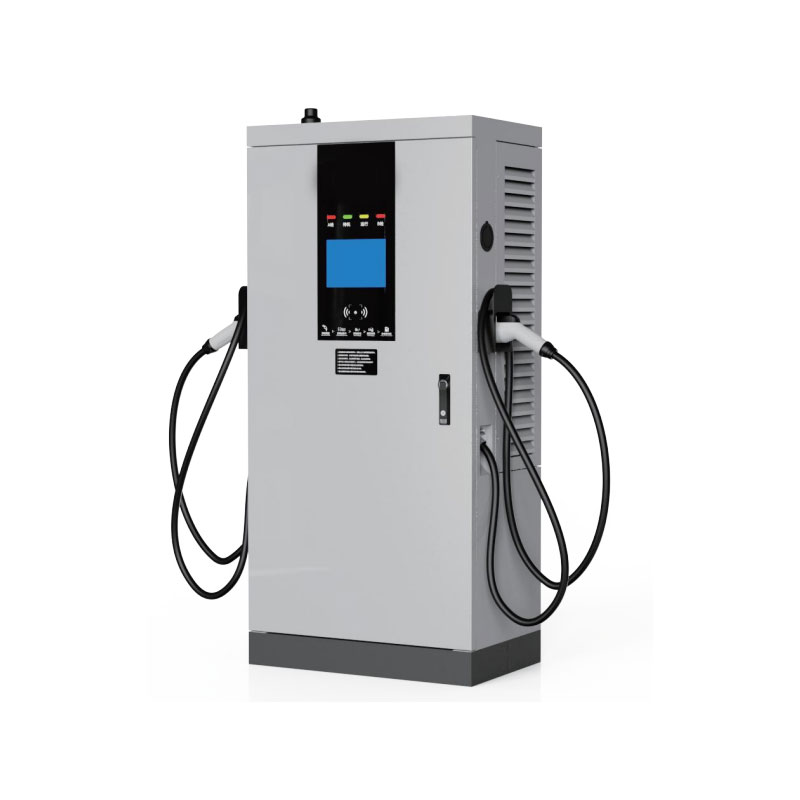
I’ve worked with enough site owners, operators, and procurement teams to know the same frustration keeps coming up: you want fast charging that drivers actually trust, but you don’t want equipment that’s hard to install, expensive to maintain, or locked into one connector standard. That’s why I’ve been paying attention to VanTon as a practical supplier mindset in this space, and why a 60KW DC EV Fast Charger Floor-mounted Charging Station often becomes the “sweet spot” choice for commercial deployments that need real throughput without jumping straight to ultra-high power.
If you’re evaluating stations for supermarkets, workplace parking, fleets, or a public site where reliability matters as much as speed, here’s how I think about a 60KW DC EV Fast Charger Floor-mounted Charging Station in the real world.

What problems does a 60KW DC EV Fast Charger Floor-mounted Charging Station actually solve for operators?
When a charging site underperforms, it’s rarely because “DC charging doesn’t work.” It’s usually because the equipment and the operating model don’t match. A 60kW class unit is often a strong fit when you’re trying to balance charging speed, grid constraints, and capex.
- Queue anxiety and low turnover because AC chargers can’t replenish meaningful range during short visits.
- Overbuilding the site by installing very high-power units that trigger expensive electrical upgrades you don’t actually need yet.
- Compatibility headaches when drivers show up with different vehicle standards and you’re stuck with limited connector options.
- Operational friction if drivers can’t start a session quickly or your team can’t monitor or manage usage efficiently.
In other words, a 60KW DC EV Fast Charger Floor-mounted Charging Station is often chosen because it keeps deployment realistic while still delivering a “fast charging” experience that people recognize.
How fast is “60kW” in real-life charging sessions?
I avoid promising a single minutes-to-80% number because charging speed depends on the vehicle’s battery, temperature, and charging curve. What I can say is that 60kW DC is commonly used in commercial environments because it can deliver meaningful energy in typical dwell times like:
- Retail visits and supermarkets where people stay 20–60 minutes
- Workplace top-ups where drivers want a solid refill before the commute home
- Fleet staging where you want predictable energy delivery between routes
If your goal is to improve site utilization and driver satisfaction without turning your electrical room into a construction zone, this is where a 60KW DC EV Fast Charger Floor-mounted Charging Station can make operational sense.
Which technical specs should I check first before I shortlist a unit?
When I review DC chargers, I start with the specs that directly affect compatibility, install feasibility, and long-term operations. Here’s a clean summary of common configuration points for this product class, written in a way procurement teams can act on.
| Category | What to confirm | Why it matters to your site |
| Input power | 380Vac (tolerance range can apply), max input current around 125A | Determines whether your existing service can support the charger without major upgrades |
| Rated output | 60kW DC output, wide voltage range (e.g., 200–1000Vdc) | Supports modern EV architectures and improves compatibility across vehicle models |
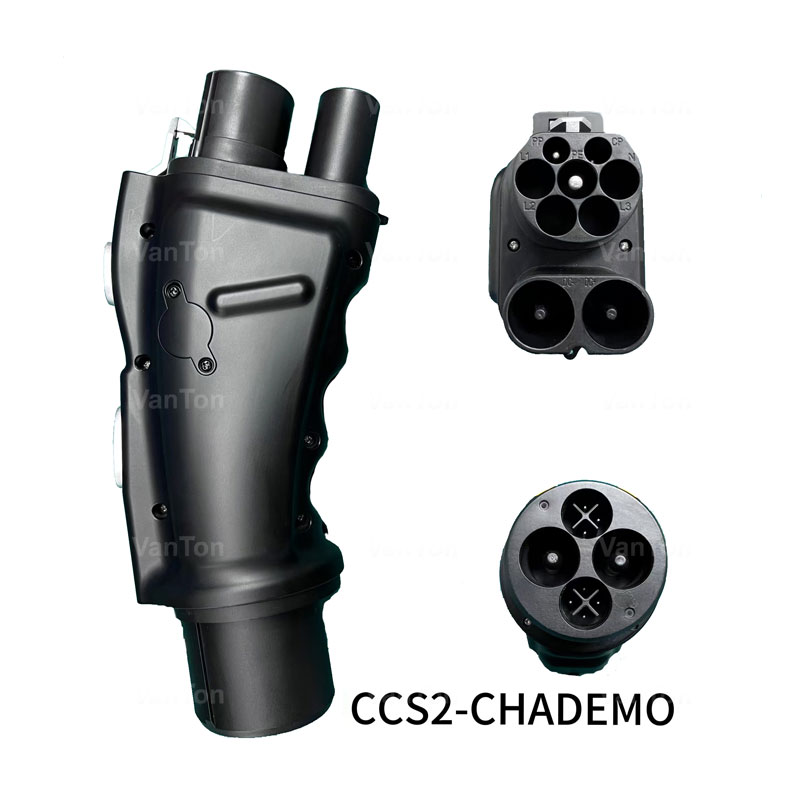
| Connectors | Options can include GB/T, CCS, CHAdeMO, and NACS | Reduces “wrong plug” complaints and helps you serve mixed vehicle populations |
| Number of guns | Often configured with 2 charging guns | Helps manage demand and increases site usefulness, depending on power-sharing strategy |
| User interface | Touchscreen HMI (e.g., 7-inch class) | Improves driver experience and reduces support calls |
| Network and communications | Ethernet, optional 4G and Bluetooth; OCPP 1.6/2.0 support | Enables backend management, uptime monitoring, pricing control, and roaming readiness |
| Environmental protection | Protection level like IP54; humidity range around 5%–95% RH (no condensation) | Impacts durability in outdoor or semi-exposed installations |
| Operating temperature | Common commercial design ranges can span sub-zero to hot weather | Stability in real climates reduces downtime and derating surprises |
| Cable length | Typical exposed gun line length about 5m, often customizable | Affects stall layout flexibility and ease of use for different vehicle charge-port locations |
| Protection features | Leakage, over/under-voltage, short-circuit, over-current, over-temperature, grounding, lightning, insulation detection, and more | Directly impacts safety, reliability, and insurance/inspection conversations |
| Form factor | Floor-mounted cabinet footprint with commercial-grade dimensions | Helps you plan foundations, clearances, service access, and site traffic flow |
Those checkpoints matter more than buzzwords. If you want a deeper look at the product category and a real unit example, you can reference the manufacturer page here: 60kW floor-mounted DC fast charging station overview.
How do I plan installation space so maintenance doesn’t become a nightmare later?
I’ve seen sites “technically installed” but practically unserviceable because nobody reserved working clearance. A floor-mounted DC charger needs space for door opening, airflow, and safe technician access. When you’re planning your bays, I recommend you think in three layers:
- Driver layer so cars can pull in cleanly and cables reach without stretching or dragging.
- Service layer so panels can open fully and techs can work without moving the unit or blocking traffic.
- Safety layer so grounding access, ventilation paths, and emergency shutoff considerations stay compliant.
That planning step is one of the easiest ways to protect the long-term ROI of a 60KW DC EV Fast Charger Floor-mounted Charging Station, because uptime is what actually pays you back.
What should I look for in payments and user access to reduce driver complaints?
If drivers struggle to start a charge, they blame the location, not the charger brand. For commercial sites, I like solutions that support multiple access methods so you can match different customer behaviors. Common approaches include:
- QR code scanning for casual public users
- RFID/card activation for members, fleets, or workplace staff
- Backend management via OCPP so you can monitor sessions, set rules, and troubleshoot remotely
When these options are aligned with your business model, a 60KW DC EV Fast Charger Floor-mounted Charging Station becomes easier to operate at scale.
Why does multi-standard connector support matter so much right now?
Because your customer mix can change faster than your hardware depreciation schedule. If you operate in regions where connector standards vary, or you serve tourists, fleets, and mixed EV brands, flexibility is valuable. Connector options like CCS, CHAdeMO, GB/T, and NACS can help future-proof your site strategy and reduce “I can’t charge here” incidents.
That’s one reason I consider connector planning a core advantage area when evaluating a 60KW DC EV Fast Charger Floor-mounted Charging Station.
What’s the best next step if I want pricing, lead time, and a configuration that matches my market?
If you’re serious about deploying a reliable commercial DC charger, don’t guess your configuration. Tell the supplier your country/region, connector preference, networking needs, and whether you want single- or dual-gun setup, and get a spec-confirmed quotation that matches your site conditions.
Reach out to VanTon and contact us to request a quote and configuration guidance for your 60KW DC EV Fast Charger Floor-mounted Charging Station. If you include your target installation environment (indoor/outdoor), expected daily sessions, and preferred payment method, you’ll get a faster, more accurate recommendation.
Related News
- When Should You Use a Portable EV Charger Instead of a Wall Charger?
- Why Is the 7kW Portable DC EV Charging Station Becoming a Must-Have for EV Owners on the Go?
- What Specifications Make VanTon 180KW DC EV Fast Charger Ideal For Commercial Charging Stations?
- How Fast Can a DC EV Charger Actually Fill Up Your Electric Car Battery?
- Why Is a 60kWh Mobile Charging Station Transforming EV Charging Flexibility?
- Why Is a Tesla Portable EV Charger Essential for Modern Electric Vehicle Owners?
Leave me a message