News

News

How Does an AC Wall-Mounted Charger Transform Everyday Electric Vehicle Charging Experience?

2026-05-07 0 Leave me a message

As electric vehicles become increasingly common in modern transportation, the need for efficient, safe, and convenient charging infrastructure has never been more important. An AC wall-mounted charger has emerged as one of the most practical solutions for home, commercial, and workplace EV charging scenarios. This article provides a comprehensive guide to understanding how AC wall-mounted chargers work, their advantages, installation considerations, technical features, and how they solve common user challenges. It also explores comparisons with other charging methods and offers practical buying guidance for users looking to invest in a reliable EV charging solution.

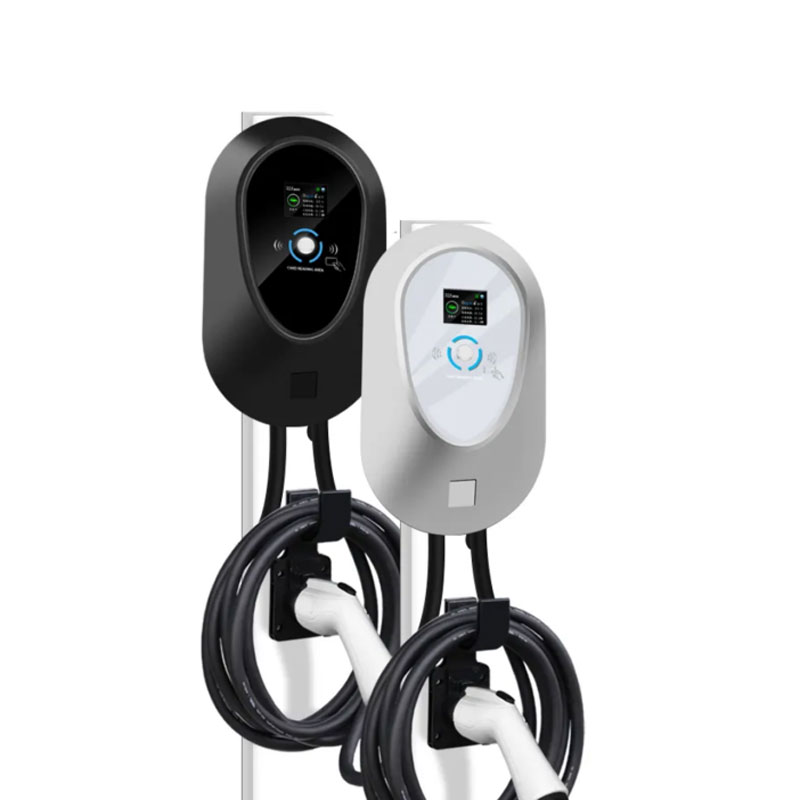
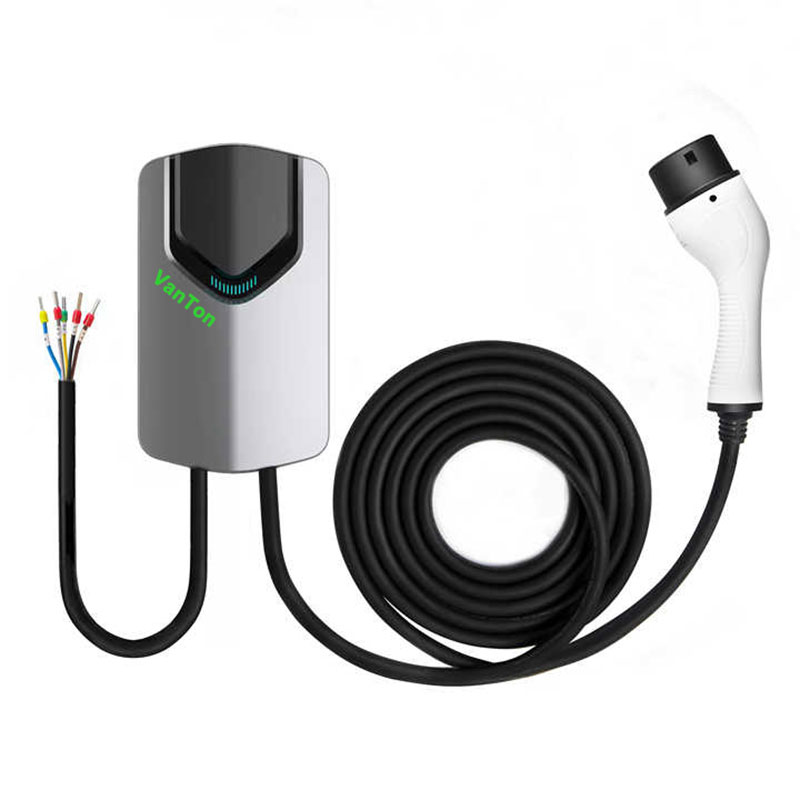
AC wall-mounted charger


Table of Contents


1. Introduction to AC Wall-Mounted Charger

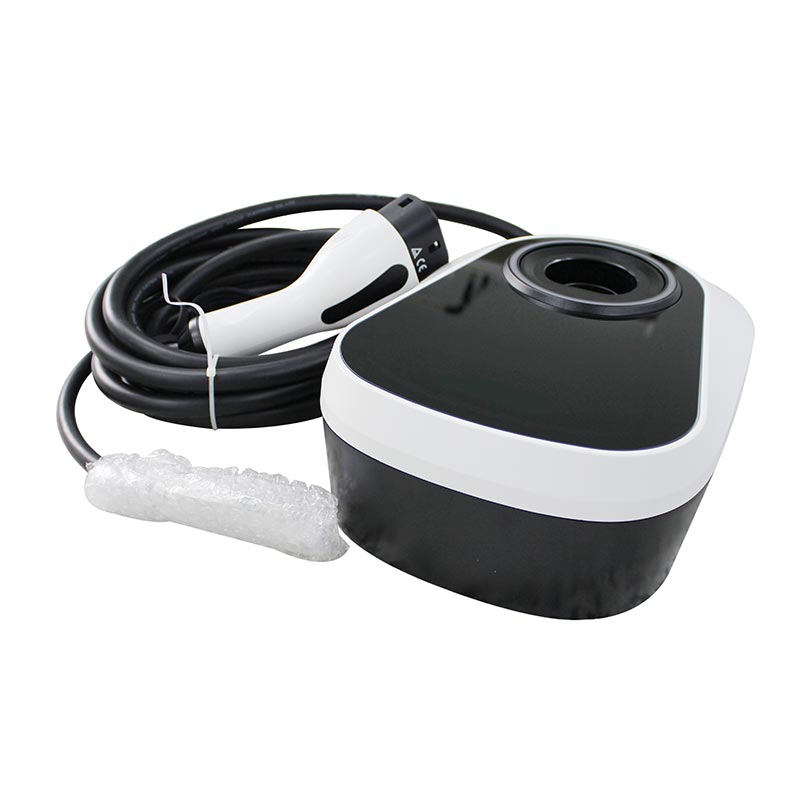
An AC wall-mounted charger is a fixed electric vehicle charging device installed on walls in residential garages, parking facilities, commercial buildings, and public spaces. Unlike portable chargers, it is designed to remain permanently installed, offering higher stability, faster charging efficiency, and improved safety features.

The growing adoption of electric vehicles has made home-based charging infrastructure a necessity rather than a luxury. AC wall-mounted chargers serve as the primary solution for overnight charging, workplace charging, and semi-public charging environments where vehicles remain parked for extended periods.

One of the most important advantages of this charging method is its balance between affordability and performance. It delivers reliable alternating current (AC) power, which is then converted by the vehicle’s onboard charger into DC power for battery storage.


2. How an AC Wall-Mounted Charger Works

Understanding the working principle of an AC wall-mounted charger helps users appreciate its efficiency and reliability. The system is relatively simple but highly optimized.

When the charger is connected to the electrical grid, it draws alternating current and delivers it to the electric vehicle. Inside the vehicle, an onboard converter transforms AC into DC, which is stored in the battery pack.

The charging speed depends on multiple factors such as charger power rating, vehicle onboard charger capacity, and grid supply stability.

Basic Working Flow:

  1. Grid supplies AC electricity to the wall-mounted charger
  2. Charger regulates voltage and current for safety
  3. Electric vehicle receives controlled AC power
  4. Onboard charger converts AC into DC
  5. Battery stores energy for vehicle use

This structured energy conversion ensures stability and prevents overheating or electrical damage.


3. Key Benefits of AC Wall-Mounted Charging Systems

The popularity of AC wall-mounted chargers is driven by their practical benefits, especially for residential and commercial users.

Main Advantages Include:

  • Convenience: Easy overnight charging without visiting public stations
  • Cost Efficiency: Lower installation and operational costs compared to DC chargers
  • Safety: Built-in protections against overvoltage, overheating, and leakage
  • Durability: Designed for long-term fixed installation
  • Smart Features: Many models support app control and scheduling
  • Energy Management: Optimized power distribution for household systems

These advantages make AC wall-mounted chargers particularly suitable for daily commuting EV users who require consistent and predictable charging performance.


4. Common User Pain Points and Solutions

Electric vehicle owners often face several challenges when it comes to charging. AC wall-mounted chargers address many of these concerns effectively.

Common Problem Impact Solution Provided by AC Wall-Mounted Charger
Long charging waiting times at public stations Time inefficiency and inconvenience Home-based overnight charging eliminates queues
High cost of DC fast charging Increased operational expenses Lower-cost AC electricity usage reduces expenses
Unstable charging environments Battery stress and safety concerns Stable and regulated power output ensures safety
Lack of charging availability Range anxiety Guaranteed charging access at home or workplace

By addressing these challenges, AC wall-mounted chargers significantly improve the overall EV ownership experience.


5. Installation Guide and Requirements

Installing an AC wall-mounted charger requires proper planning and professional execution to ensure safety and efficiency.

Installation Steps:

  1. Site evaluation and electrical capacity check
  2. Selection of installation location (garage wall or outdoor wall)
  3. Wiring connection to main electrical panel
  4. Mounting charger unit securely on wall
  5. Testing system functionality and safety features

Installation Requirements:

  • Stable power supply (single-phase or three-phase)
  • Proper grounding system
  • Weather-protected installation area (for outdoor setups)
  • Certified electrician involvement

Correct installation ensures long-term performance and minimizes maintenance risks.


6. Technical Specifications Overview

AC wall-mounted chargers come in different configurations depending on usage needs. Below is a general specification overview:

Feature Standard Range
Power Output 3.7 kW – 22 kW
Input Voltage 220V – 415V AC
Frequency 50Hz / 60Hz
Protection Level IP54 – IP65
Operating Temperature -30°C to 55°C
Connectivity WiFi / Bluetooth / RFID (optional)

These specifications may vary depending on manufacturer design and application requirements.


7. Comparison with Other Charging Solutions

To understand the value of AC wall-mounted chargers, it is useful to compare them with other common EV charging methods.

Charging Type Speed Cost Installation Complexity Best Use Case
AC Wall-Mounted Charger Moderate Low to Medium Moderate Home & Workplace
Portable Charger Slow Low Very Easy Emergency Charging
DC Fast Charger Very Fast High Complex Commercial Stations

While DC chargers offer speed, AC wall-mounted chargers provide the best balance of affordability, stability, and convenience for daily use.


8. Safety Features and Considerations

Safety is a critical aspect of any EV charging system. AC wall-mounted chargers are designed with multiple protective mechanisms.

  • Overcurrent protection
  • Overvoltage and undervoltage protection
  • Short-circuit protection
  • Leakage detection
  • Temperature monitoring system

These features ensure safe operation even under fluctuating electrical conditions, protecting both the vehicle and the user.


9. Maintenance and Long-Term Usage Tips

Although AC wall-mounted chargers require minimal maintenance, regular inspection helps ensure optimal performance.

  • Inspect charging cable regularly for wear
  • Keep charger surface clean and dry
  • Check mounting stability periodically
  • Ensure firmware updates (for smart chargers)

Proper maintenance extends product lifespan and maintains charging efficiency.

10. How to Choose the Right AC Wall-Mounted Charger

Selecting the right charger depends on user needs, vehicle compatibility, and installation environment.

Key Factors to Consider:

  • Power output compatibility with EV
  • Installation location (indoor/outdoor)
  • Smart features requirement
  • Budget constraints
  • Safety certifications

Choosing a reliable manufacturer ensures long-term stability and better user experience.


11. Future Trends in AC Charging Technology

The future of AC wall-mounted chargers is evolving rapidly with advancements in smart energy systems and renewable integration.

Emerging trends include:

  • AI-based charging optimization
  • Integration with solar energy systems
  • Vehicle-to-grid (V2G) capabilities
  • Enhanced mobile app control systems

These innovations will further improve efficiency and sustainability in EV charging ecosystems.


12. Frequently Asked Questions

Q1: Is an AC wall-mounted charger suitable for all electric vehicles?
Yes, most EVs are compatible, but charging speed depends on the onboard charger capacity.

Q2: Can it be installed outdoors?
Yes, if the unit has proper IP protection rating and weatherproof design.

Q3: How long does installation take?
Typically 2–4 hours depending on electrical setup complexity.

Q4: Does it increase electricity bills significantly?
Costs are generally manageable and often cheaper than public fast charging stations.

Q5: Is professional installation required?
Yes, certified electricians are recommended for safe and compliant installation.


13. Conclusion and Contact Information

The AC wall-mounted charger represents one of the most efficient and practical solutions for modern electric vehicle users. It combines safety, convenience, and cost-effectiveness, making it ideal for both residential and commercial applications. As EV adoption continues to grow, reliable charging infrastructure becomes a critical part of everyday transportation systems.

With continuous technological improvements and smarter energy integration, AC wall-mounted chargers will play an even more important role in shaping sustainable mobility.

For high-quality EV charging solutions, Ningbo Vanton EV Charger Co., Ltd. provides reliable products designed for long-term performance, safety, and efficiency.

If you are looking for customized solutions or bulk supply cooperation, feel free to contact us to explore professional support and product options tailored to your needs.

Related News
Leave me a message
X
We use cookies to offer you a better browsing experience, analyze site traffic and personalize content. By using this site, you agree to our use of cookies. Privacy Policy
Reject Accept