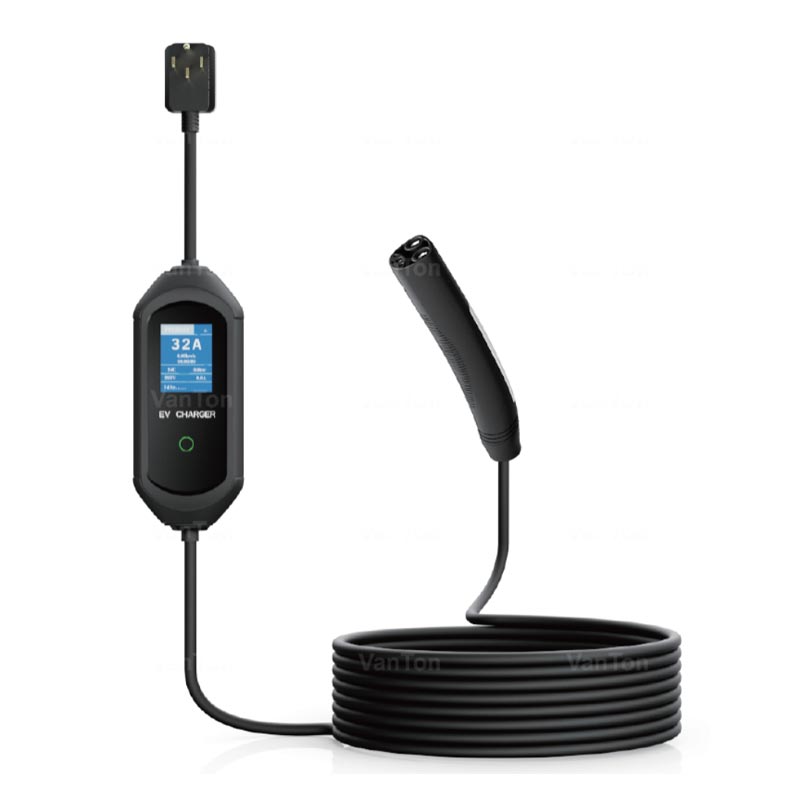
A GBT Portable EV Charger is a compact charging device designed for compatible electric vehicles using the GB/T charging standard. It allows drivers to charge their vehicles through an appropriate power source without depending entirely on a permanently installed charging station. Its suitability depends on the vehicle's charging interface, the available electrical supply, the charger's rated output, and the safety features incorporated into its design.This article covers how portable GB/T chargers work, their main advantages, important technical specifications, safety considerations, charging environments, maintenance practices, and purchasing questions. It also explains how businesses and distributors can evaluate product quality when sourcing portable EV charging equipment.
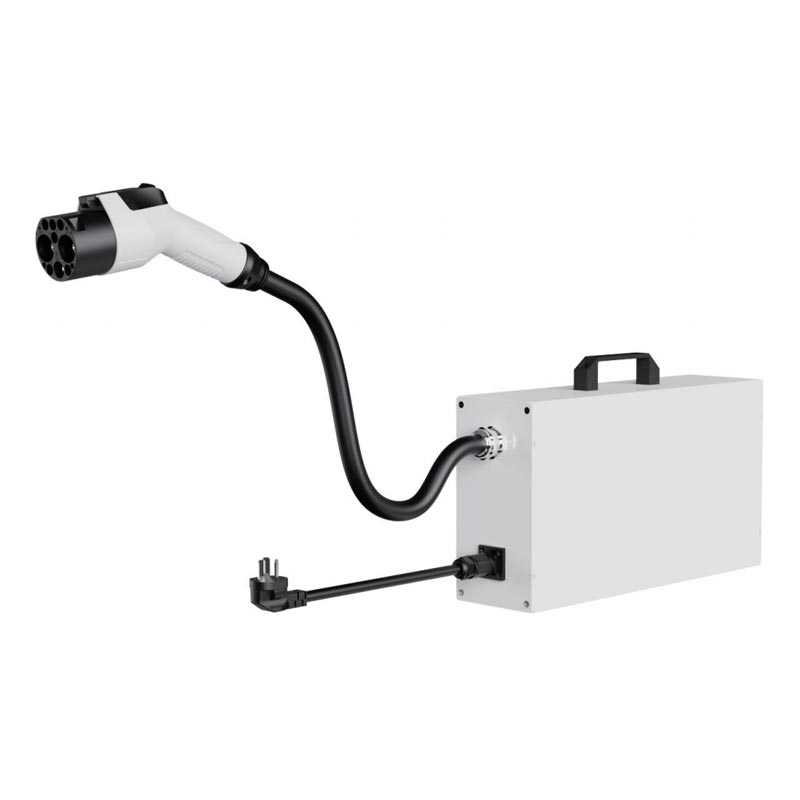
1. What Is a GBT Portable EV Charger?
A GBT Portable EV Charger is a portable electric vehicle charging device designed for vehicles equipped with a compatible GB/T charging interface. GB/T refers to China's national standards for electric vehicle charging systems. These standards define technical requirements for charging connections and related communication and safety arrangements.
Unlike a permanently installed wall-mounted charging station, a portable charger is designed to be carried and used at different suitable locations. Depending on its design, it may connect to a compatible power outlet or another approved power supply through a dedicated input cable. The vehicle-side connector then connects to the charging inlet of the electric vehicle.
Portable charging equipment is particularly relevant for drivers who want an additional charging option at home, at a workplace, or while traveling. It can also be useful as supplementary equipment for vehicle fleets and businesses that need flexible charging arrangements.
Portable Charger vs. Fixed Charging Station
The main difference is the installation method and intended use. A fixed charging station is generally installed at a designated location and connected to a suitable electrical circuit. A portable charger is designed for easier transportation and temporary use with an appropriate power source.
Portability does not automatically mean that a charger can be connected to any ordinary outlet. The input requirements, grounding arrangements, circuit capacity, and installation conditions must all be suitable for the specific product.
2. How Does a Portable GB/T Charger Work?
A portable EV charger provides a controlled electrical connection between the power supply and the vehicle. During charging, the equipment and vehicle work together to manage the charging process according to their respective electrical and communication requirements.
The Basic Charging Process
- Power connection: The charger is connected to a compatible electrical supply that meets its rated input requirements.
- Vehicle connection: The vehicle-side connector is inserted into the matching charging inlet.
- Connection checks: The charging system performs the required checks before allowing power delivery.
- Charging control: The vehicle and charging equipment coordinate the charging process according to the applicable design and communication requirements.
- Charging completion: Charging stops when the vehicle reaches its configured target, the process is interrupted, or a protective condition requires it to stop.
Before use, drivers should read the manufacturer's instructions to understand the correct connection sequence, supported input supply, indicator meanings, and procedures for disconnecting the equipment. These details may vary between models.
3. Why Does Portability Matter for EV Charging?
Electric vehicle owners often rely on home charging or public charging stations. However, charging needs can change according to travel plans, work schedules, parking arrangements, and access to charging infrastructure. A portable charger provides another option when a suitable power supply is available.
Flexible Charging Locations
A portable unit can be transported between suitable locations. For example, a driver may keep it in the vehicle and use it at home or at a workplace where an approved electrical connection is available. This flexibility can be useful for people who do not always park in the same place.
Convenient Backup Equipment
Public charging stations may be occupied, unavailable, or inconveniently located. A portable charger can provide an additional charging option when the driver has access to a compatible and adequately rated power source. It should be treated as supplementary equipment rather than a guaranteed replacement for public charging infrastructure.
Easy Storage and Transportation
Compared with many fixed charging installations, portable charging equipment is generally easier to store and transport. A well-designed product should have practical cable management, a durable enclosure, and a carrying arrangement that helps prevent unnecessary damage during transportation.
Useful for Different User Groups
- Private EV owners: An additional charging option for home or travel situations.
- Company vehicle operators: Flexible equipment for vehicles that use different approved parking locations.
- Automotive service providers: Supplementary charging equipment for compatible vehicles during service operations.
- EV equipment distributors: A portable product category for customers who need flexible charging solutions.
4. Which Features Deserve the Most Attention?
Product appearance and portability are easy to evaluate, but the most important characteristics are usually found in the technical design. Buyers should consider how the charger performs under its intended operating conditions and whether its specifications match the vehicle and power supply.
GB/T Connector Compatibility
The vehicle-side connector must match the vehicle's charging inlet and the charger's intended charging function. Buyers should confirm whether the product is designed for the required GB/T AC or DC application. These are different charging arrangements and should not be treated as interchangeable.
Adjustable Charging Current
Some portable chargers offer selectable current settings. This feature can help users adapt the charging load to an appropriate electrical circuit. However, selecting a lower current does not make an unsuitable or damaged power outlet safe. The circuit, socket, plug, grounding, and wiring must still meet the product's requirements.
Clear Status Indicators
LED indicators or a display can help users understand whether the charger is powered, connected, charging, or reporting a fault. Clear status information reduces confusion and makes routine operation easier.
Protective Functions
Depending on the model, protective functions may include overcurrent protection, overvoltage protection, undervoltage protection, overtemperature protection, leakage-current protection, and grounding-related checks. Buyers should verify the actual protection functions and their specifications rather than assuming that every portable charger includes the same features.
Durable Cable and Enclosure
The charging cable and enclosure are exposed to repeated handling, transportation, and different environmental conditions. Buyers should assess cable flexibility, connector construction, strain relief, enclosure materials, and the product's stated operating temperature range.
5. Understanding Important Technical Specifications
Technical specifications determine whether a portable charger can work properly with a particular vehicle and electrical supply. A product with a higher advertised power rating is not necessarily the right choice. The actual charging capability is limited by the vehicle, charger, and available power source.
| Specification | What It Means | What Buyers Should Check |
|---|---|---|
| Charging standard | The charging interface and applicable technical requirements. | Confirm the correct GB/T charging type for the vehicle. |
| Rated input voltage | The electrical supply required by the charger. | Match the local power supply and product rating. |
| Rated current | The current the charger is designed to handle under specified conditions. | Check compatibility with the circuit and vehicle. |
| Rated power | The charger's specified power capacity. | Consider the limits of the vehicle and supply. |
| Cable length | The distance available between the supply and vehicle. | Choose a practical length without creating trip hazards. |
| Operating temperature | The environmental temperature range specified for operation. | Check whether it suits the intended market and climate. |
| Protection rating | The enclosure's stated resistance to dust and water ingress. | Verify the actual IP rating and usage restrictions. |
| Safety protection | Electrical and thermal protective functions. | Review the protection list and test documentation. |
How Charging Power Affects Charging Time
Charging time is influenced by the energy required by the battery, the charger's available output, the vehicle's onboard charging capability, and operating conditions. For an AC portable charger, the vehicle's onboard AC charger is an important limiting factor. The charger cannot force the vehicle to accept more power than its design allows.
For a simplified estimate, the following relationship can be used:
This is only a basic estimate. Actual charging time may be longer because of conversion losses, battery temperature, charging limits, and the reduction in charging power that can occur as the battery approaches a high state of charge.
For example, a vehicle that needs 20 kWh of additional energy and receives an average charging power of 3.5 kW would require approximately 5.7 hours under the simplified calculation. The real charging time depends on the vehicle and charging conditions.
6. How Can You Check Vehicle Compatibility?
Compatibility is one of the most important purchasing considerations. A charger may have a suitable-looking connector but still be unsuitable for a vehicle because of differences in charging type, electrical ratings, communication requirements, or input configuration.
Step 1: Identify the Vehicle's Charging Interface
Check the vehicle owner's manual or manufacturer's technical documentation to identify the charging inlet and supported charging standards. Do not rely only on the vehicle's brand or model name, because specifications can differ between model years and market versions.
Step 2: Confirm AC or DC Charging Requirements
GB/T AC charging and GB/T DC charging use different technical arrangements. A portable AC charger is not a substitute for a DC fast charger. Confirm the charging function required by the vehicle before placing an order.
Step 3: Check the Electrical Supply
Review the charger's input voltage, phase configuration, rated current, plug type, and grounding requirements. The available electrical supply must be suitable for the product. If the electrical installation is uncertain, ask a qualified electrician to assess it.
Step 4: Review the Manufacturer's Compatibility Information
Request a compatibility list or written technical confirmation from the supplier. For business purchases, provide the vehicle model, year, market version, charging inlet information, and intended power supply. This helps reduce the risk of selecting an incompatible product.
7. Where Can a Portable EV Charger Be Used?
A portable charger can support different charging scenarios, provided that the power source and environment meet the equipment's requirements. Its flexibility is useful, but every installation and connection must remain within the product's specified operating conditions.
Home Charging
Home use is a common application for portable charging equipment. Drivers may connect the charger to a suitable dedicated outlet or approved power connection. Before regular use, the electrical circuit should be checked for adequate capacity, correct grounding, and suitable protective devices.
Workplace Charging
Some employees and fleet operators have access to approved electrical supplies at their workplaces. A portable charger can provide an additional option when the employer permits its use and the electrical installation is suitable. Workplace charging policies should clearly define who can use the equipment and how it should be stored.
Travel and Temporary Parking
For drivers who travel between locations, a portable charger may be useful when a compatible power supply is available. Users should confirm the outlet type, voltage, current capacity, and grounding before connecting the device. Travel convenience should never come at the expense of electrical safety.
Commercial and Fleet Applications
Businesses operating compatible electric vehicles may use portable charging equipment as supplementary equipment for selected locations or operational situations. Fleet managers should establish inspection procedures, charging permissions, storage rules, and maintenance records to ensure consistent use.
8. What Safety Considerations Should Buyers Know?
Electrical safety should be a priority when selecting and using any EV charging equipment. A portable charger handles significant electrical loads, and its performance depends not only on the product itself but also on the quality of the power supply and the surrounding environment.
Use an Appropriate Power Supply
Always check the charger's rated input requirements before connecting it. Avoid using damaged outlets, loose adapters, unsuitable extension leads, or circuits that are not designed for the required load. A qualified electrician should assess uncertain or frequently used charging installations.
Check Grounding and Electrical Protection
Grounding and protective devices are important parts of a safe electrical installation. Users should follow the manufacturer's grounding requirements and local electrical regulations. Never remove, bypass, or modify protective components to make a charger operate.
Keep Connectors Clean and Dry
Inspect the plug and vehicle connector before each use. Do not connect equipment with visible damage, moisture inside the connector, corrosion, or foreign objects. Follow the product's instructions for cleaning and storage.
Prevent Cable Damage
Position the cable where it will not be crushed by vehicle wheels, trapped in doors, stretched under tension, or exposed to sharp edges. Avoid placing heavy objects on the cable and do not pull the charger out of the socket by holding the cable.
Observe Temperature and Environmental Limits
Use the equipment only within its specified environmental conditions. Avoid covering the charger or placing it near heat sources. If the device reports an abnormal temperature or protective fault, stop using it and follow the manufacturer's troubleshooting instructions.
Never Modify the Charger
Do not open the enclosure, change internal wiring, replace connectors with incompatible parts, or bypass safety functions. Repairs should be handled by authorized or appropriately qualified personnel.
9. How to Select a Suitable Portable Charger
A structured evaluation process makes it easier to compare products and avoid purchasing equipment that does not meet practical requirements. Instead of focusing on one specification, buyers should review the complete charging system.
Define the Intended Application
Start by identifying who will use the charger and where it will operate. A private vehicle owner may prioritize portability and simple operation, while a fleet operator may place greater importance on durability, inspection procedures, and standardized technical documentation.
Compare the Core Technical Parameters
Review the charging standard, rated voltage, current, power, connector type, cable length, and environmental limits. Make sure the information is consistent across the product label, user manual, datasheet, and supplier quotation.
Evaluate the Safety Design
Ask the supplier to explain the included protective functions and provide relevant test reports or conformity documentation where applicable. Check whether the product has been evaluated for the intended market and whether its plug and input configuration meet local requirements.
Assess Practical Usability
Consider whether the unit is easy to carry, store, connect, and operate. A clear display, understandable indicators, appropriate cable length, and effective strain relief can improve the daily user experience.
Review Supplier Support
Reliable technical support matters throughout the product lifecycle. Buyers should understand the warranty terms, spare-part availability, troubleshooting process, and procedures for handling quality issues. For distributors, stable communication and consistent product documentation are also important.
| Evaluation Area | Questions to Ask |
|---|---|
| Compatibility | Does the charger support the vehicle's exact GB/T charging requirements? |
| Electrical ratings | Are the voltage, current, and power suitable for the intended supply? |
| Protection | Which protective functions are included and documented? |
| Construction | Are the cable, connector, enclosure, and strain relief suitable for repeated use? |
| Documentation | Are the datasheet, user manual, labels, and test documents available? |
| After-sales service | Are warranty, technical support, and replacement procedures clearly defined? |
10. How to Maintain Charging Equipment
Regular inspection helps identify damage before it affects charging performance. Portable chargers are frequently moved and handled, so their cables, connectors, and enclosures should be checked as part of routine use.
Before Each Charging Session
- Check the cable for cuts, exposed conductors, deformation, or unusual wear.
- Inspect the plug and vehicle connector for dirt, moisture, corrosion, or damage.
- Confirm that the power outlet and connection are stable and suitable.
- Check the enclosure for cracks or signs of overheating.
- Review the indicator status and follow the manufacturer's operating instructions.
During Storage
After charging, disconnect the equipment according to the recommended procedure. Allow it to cool if required, coil the cable without sharp bends, and store the unit in a clean, dry location. Avoid placing heavy objects on the charger or storing it where it may be exposed to impact or excessive heat.
When a Fault Occurs
If the charger repeatedly stops, displays a fault, becomes unusually hot, or produces an abnormal smell or sound, discontinue use. Do not attempt an internal repair. Record the fault indication and contact the supplier or authorized service provider for guidance.
For commercial users, a simple inspection log can help track equipment condition, usage frequency, reported faults, and maintenance actions. This is particularly useful when multiple chargers are shared among employees or fleet vehicles.
11. What Should Distributors and Importers Evaluate?
For wholesalers, distributors, importers, and EV equipment brands, selecting a portable charger involves more than comparing unit prices. Product consistency, documentation, customization capabilities, and supplier communication can all affect long-term business performance.
Product Quality and Production Consistency
Buyers should understand how the supplier controls component quality, assembly processes, product testing, and final inspection. Consistent production standards are important when placing repeat orders or supplying multiple sales channels.
Technical Documentation
Request a complete datasheet containing the charging standard, electrical ratings, connector details, cable specifications, operating conditions, protection functions, and applicable test information. Clear documentation helps sales teams answer customer questions and reduces misunderstandings during procurement.
Market-Specific Requirements
Different markets may have different requirements for plugs, electrical installations, labeling, product safety, and conformity assessment. Buyers should identify the destination market before finalizing the product configuration. A product designed for one electrical environment should not be assumed to meet the requirements of another.
Customization and Branding
Depending on the supplier's capabilities, business buyers may request customized cable lengths, plug configurations, labels, packaging, or branding. Any customization should be reviewed against the product's electrical design and applicable requirements. Changes to connectors or electrical components should not compromise safety or compatibility.
Samples and Quality Verification
Before confirming a large order, request product samples and verify their performance against the agreed specifications. Review the packaging, product markings, connector construction, cable quality, documentation, and operating instructions. Where necessary, arrange independent testing or inspection.
Ningbo Vanton EV Charger Co., Ltd. focuses on EV charging equipment and related charging solutions. For professional buyers evaluating portable GB/T charging products, clear technical communication, suitable product configurations, and consistent quality information are important foundations for building a dependable supply relationship.
12. Frequently Asked Questions
Q1: What does GBT mean in a portable EV charger?
GBT commonly refers to GB/T, China's national standards for electric vehicle charging interfaces and related technical requirements. A GBT portable EV charger is designed for vehicles and charging applications that support the corresponding GB/T configuration.
Q2: Can a GBT portable EV charger work with every electric vehicle?
No. The charger must match the vehicle's charging interface, charging type, and electrical requirements. Buyers should confirm compatibility through the vehicle manual and the charger's technical documentation before use.
Q3: Is a portable GB/T charger suitable for home use?
It can be suitable for home use when the product is designed for the available power supply and the electrical circuit meets its requirements. The outlet, wiring, grounding, and protective devices should be checked before regular charging.
Q4: Does a portable EV charger charge as quickly as a public fast charger?
Not necessarily. Many portable chargers are designed for AC charging, while public fast chargers commonly use DC charging. Charging speed depends on the charger's output, the vehicle's onboard charging capability, and the available power supply.
Q5: Can I use an extension cord with a portable EV charger?
Do not assume that an ordinary extension cord is suitable. Extension leads can introduce additional electrical and thermal risks if their ratings, conductor size, connections, or protective arrangements are inadequate. Follow the charger's instructions and use only an arrangement explicitly approved for the application.
Q6: What protection functions should a buyer look for?
Depending on the product design, relevant functions may include overcurrent, overvoltage, undervoltage, overtemperature, leakage-current, and grounding-related protection. Check the actual protection list and supporting documentation for the model being considered.
Q7: Can a portable charger be used outdoors?
Outdoor use depends on the product's specified environmental conditions and ingress protection rating. The power outlet and connection must also be suitable for the environment. Always follow the manufacturer's instructions, especially in wet or dusty locations.
Q8: How should I choose the cable length?
Choose a length that comfortably reaches the vehicle's charging inlet from the approved power source without stretching the cable or creating a trip hazard. A longer cable is not always better because it can be harder to store and manage.
Q9: What documents should distributors request from a supplier?
Commonly requested documents include a technical datasheet, user manual, product specifications, applicable test reports, conformity documentation for the destination market, warranty terms, and quality inspection information. The exact documents depend on the product and market requirements.
Q10: What should I do if the charger stops during operation?
Stop using the equipment if it displays a fault or behaves abnormally. Check the indicator information and follow the troubleshooting instructions in the manual. Do not open the enclosure or bypass protective functions. Contact the supplier or an authorized service provider if the issue continues.
Conclusion: Making a More Informed Charging Decision
A suitable GBT Portable EV Charger can provide electric vehicle owners with a flexible charging option across different approved locations. Its value depends on more than portability. Connector compatibility, charging type, electrical ratings, protective functions, cable construction, and operating conditions all contribute to a reliable charging experience.
For individual users, the first step is to confirm that the charger matches the vehicle and available power supply. For distributors and commercial buyers, evaluating technical documentation, production consistency, market requirements, and supplier support is equally important.
By reviewing these factors before purchasing, buyers can make a more informed decision and select portable charging equipment that meets their actual application needs.
Looking for a Reliable GBT Portable EV Charger Supplier?
Whether you are an EV equipment distributor, importer, wholesaler, or business buyer, choosing the right charging solution starts with clear specifications and dependable supplier support.
Ningbo Vanton EV Charger Co., Ltd. welcomes inquiries about portable EV charging products, technical specifications, product configurations, and cooperation opportunities.
Have a project or sourcing requirement? Contact us to discuss your application and find a suitable EV charging solution for your market.